



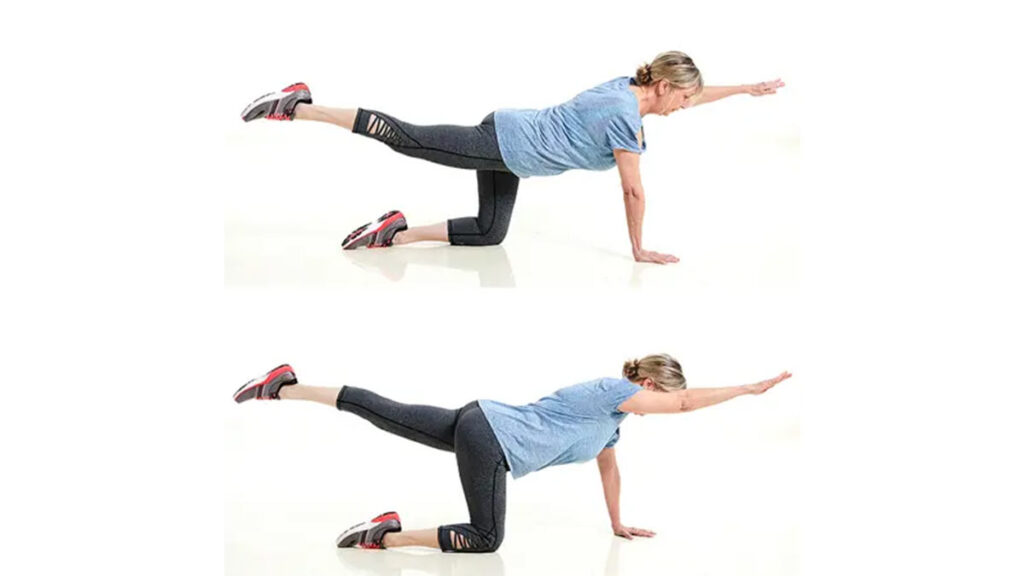
Modern lifestyles have dramatically changed the way people move, sit, and interact with their environment. Extended screen time, prolonged sitting, and limited physical activity have all contributed to the rise of rounded upper-back posture, commonly referred to as a hunchback. Correcting this condition requires more than motivation it demands knowledge, precision, and patience. The best exercises for a hunchback focus on restoring natural spinal alignment while minimizing stress on vulnerable structures.
This comprehensive guide explores how posture-focused exercise can be performed safely, how injuries occur during incorrect training, and how to build a long-term corrective strategy without compromising spinal health.
The Postural Challenges Created by Modern Habits
Posture is shaped by repeated behaviors. When the body remains in a forward-flexed position for hours each day, muscles adapt to that position. Over time, the chest becomes tight, the upper back weakens, and the head shifts forward. These changes alter spinal mechanics and increase strain on joints and connective tissue.
Attempting to reverse these adaptations through random or aggressive exercise often leads to discomfort. This is why posture correction should be approached systematically rather than emotionally.
Why Injury Awareness Is Essential in Posture Training
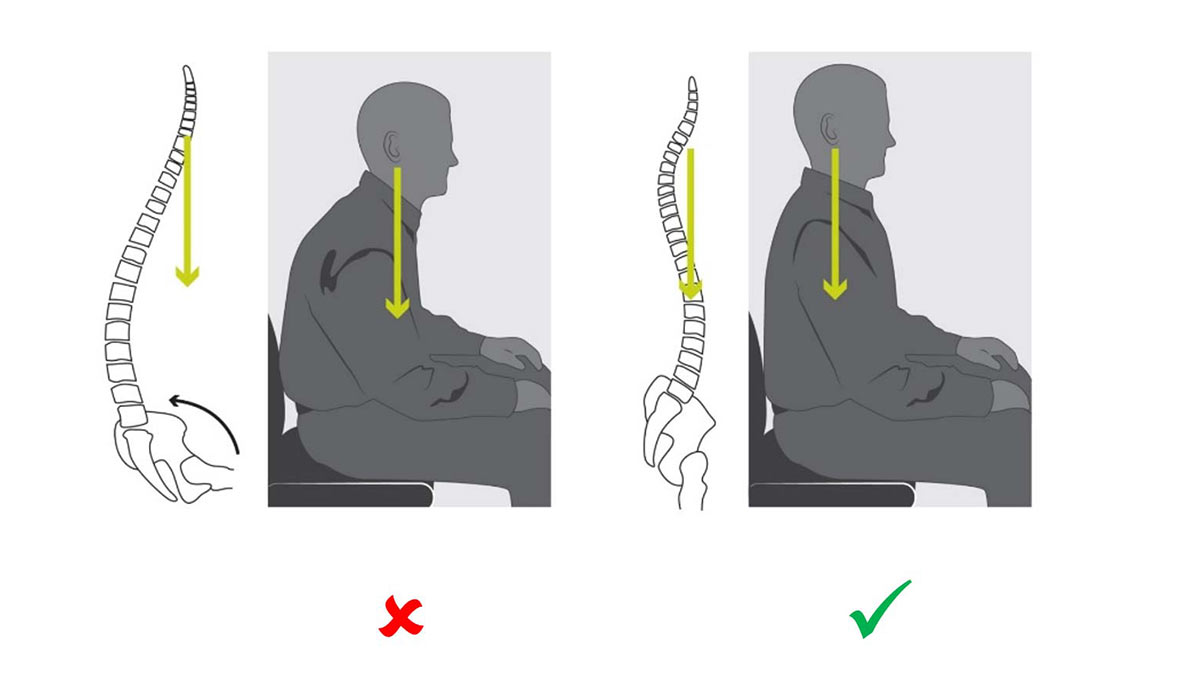
Many people begin posture correction with enthusiasm but little guidance. They stretch aggressively, force extension, or copy exercises without understanding their purpose. Unfortunately, this approach often leads to setbacks. The best exercises for a hunchback without injury are built around controlled movement and gradual adaptation, not intensity.
Improper posture exercises can create stress patterns similar to those seen in Wrong exercise injuries for legs and back, where poor mechanics cause pain instead of improvement. Injury awareness ensures that corrective efforts actually benefit the spine.
Structural Changes That Define a Hunched Upper Back
A hunchback posture is not just a visual issue; it reflects structural imbalance. The thoracic spine loses mobility, the scapulae drift forward, and the neck compensates by jutting outward. These changes affect breathing, shoulder function, and even balance.
Understanding this structure explains why The best exercises for a hunchback emphasize upper-back activation, thoracic mobility, and neuromuscular control rather than forceful correction.
The Risks of Choosing the Wrong Corrective Movements
Not all exercises labeled as “posture correction” are safe. Some movements exaggerate spinal extension, overload the neck, or reinforce compensatory patterns. This often happens when people rely on generic fitness advice rather than posture-specific principles.
Incorrect exercise selection can lead to chronic discomfort, reduced range of motion, and long-term dysfunction. Avoiding these risks is a central principle of safe posture rehabilitation.
Restoring Thoracic Spine Mobility Safely

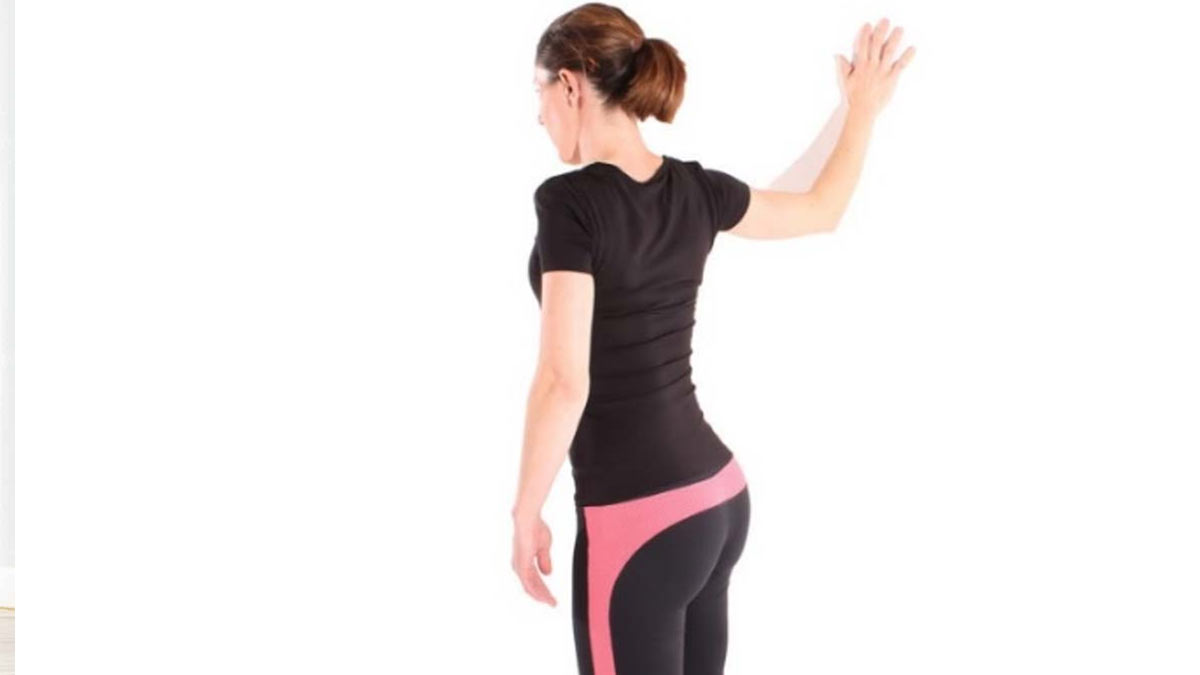
Limited thoracic mobility is one of the primary contributors to rounded posture. The goal is to reintroduce movement without forcing the spine into painful positions. Controlled thoracic extensions, rotational drills, and wall-supported mobility exercises are widely considered The best exercises for a hunchback when performed correctly.
Clinical-style movement analysis similar to the approach used in Review of the best exercises for lumbar disc shows that slow tempo and controlled range are critical for spinal safety.
Strengthening the Muscles That Support Upright Alignment
Weak upper-back muscles allow the shoulders to drift forward. Strengthening these muscles provides the structural support necessary to maintain improved posture throughout the day.
- Key muscle groups include:
- Middle and lower trapezius
- Rhomboids
- Posterior shoulder stabilizers
Resistance band rows, prone lifts, and controlled retraction exercises are staples of The best exercises for a hunchback without injury, as they strengthen without compressing the spine.
Core Control as the Anchor of Posture Correction
Posture is stabilized from the center of the body. Without core engagement, the spine relies on passive structures such as ligaments and discs. This increases fatigue and injury risk.
Exercises that promote deep core activation rather than visible abdominal tension improve spinal stability and reduce compensatory movement. This foundation supports The best exercises for a hunchback by ensuring that corrections are maintained beyond the workout itself.
Stretching Techniques That Improve Posture Without Strain
Stretching tight muscles is important, but it must be done intelligently. Overstretching the neck or forcing the chest open can irritate joints and nerves.
Effective stretching targets:
- Chest muscles
- Upper shoulder tension
- Anterior neck structures
When combined with strengthening, these techniques contribute to posture improvement while minimizing discomfort.
How Lower-Body Mechanics Influence Upper-Body Posture
Although posture issues appear in the upper body, they are influenced by the entire kinetic chain. Poor hip stability or leg alignment can alter spinal positioning during standing and walking.
Research perspectives comparable to Review of the best sports leg models demonstrate how lower-body mechanics affect balance and posture. Addressing leg strength and stability enhances the effectiveness of posture-focused training.
Avoiding Painful Compensation Patterns During Exercise
One of the biggest mistakes in posture correction is compensating with the wrong muscles. People often overuse the lower back or neck when trying to stand up straight, leading to discomfort.
Educational content often categorized under best exercises for back pain reinforces the importance of neutral alignment, controlled breathing, and muscle balance principles that also apply to posture correction.
Creating a Consistent and Sustainable Exercise Routine
Consistency matters more than intensity. Short daily sessions are more effective than infrequent, aggressive workouts. The best exercises for a hunchback are those that can be performed safely and repeatedly without fatigue or pain.
A sustainable routine includes:
- Gentle mobility
- Postural strengthening
- Core stabilization
- Recovery-focused movement
This approach allows the nervous system to adapt gradually.
Long-Term Consequences of Improper Training Habits
Ignoring technique or pushing through discomfort often leads to frustration and injury. Discussions around effects of not exercising properly highlight how poor movement habits can reinforce dysfunction rather than resolve it.
Posture correction should enhance daily life, not create new problems. Awareness and education are key to long-term success.
Adapting Exercises to Individual Needs and Limitations
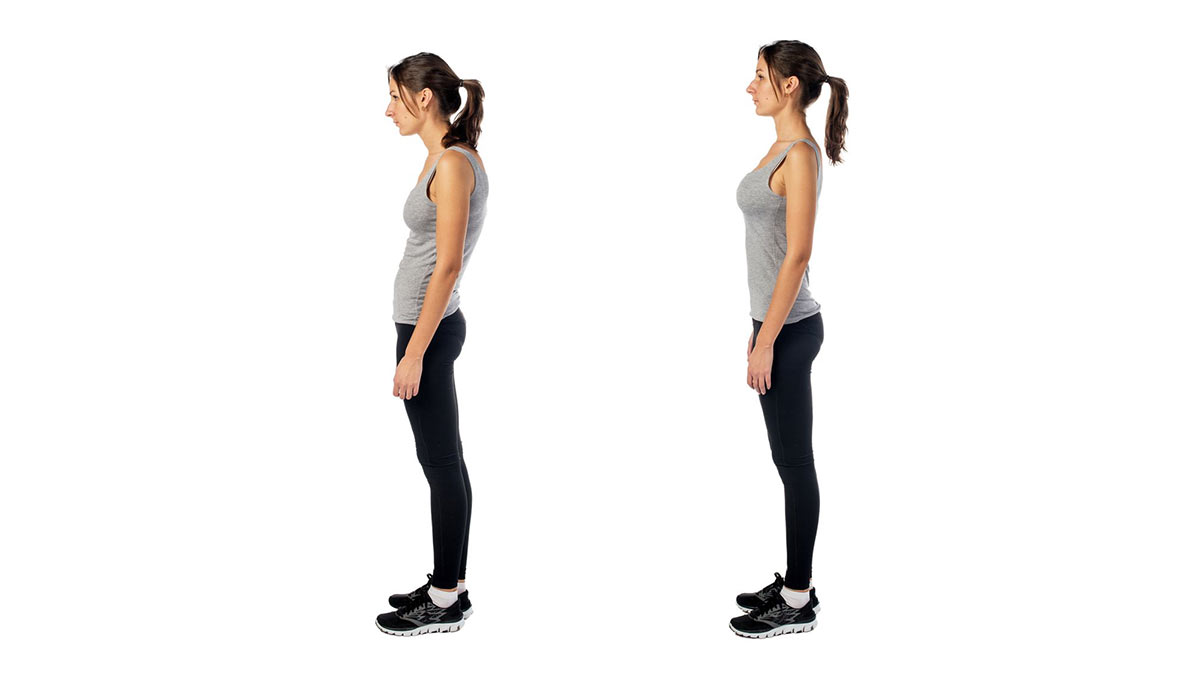
Every body is different. Age, injury history, and mobility levels all influence how posture exercises should be performed. The best exercises for a hunchback without injury are adaptable and scalable, allowing individuals to progress safely at their own pace.
Customization ensures that improvements are sustainable rather than temporary.
Measuring Progress Beyond Visual Appearance
Posture improvement is not only about looking straighter. Improved breathing, reduced muscle tension, better shoulder movement, and increased comfort are all meaningful indicators of success.
By focusing on function rather than appearance, individuals reinforce healthy movement patterns.
Conclusion
Correcting a hunchback posture requires knowledge, patience, and consistency. Random stretching or aggressive training often does more harm than good. The best exercises for a hunchback prioritize safety, control, and long term adaptation.
When performed correctly and consistently, The best exercises for a hunchback support spinal health, reduce discomfort, and promote lasting postural improvement without injury or unnecessary strain.
