




Exercise is widely recognized as one of the most effective ways to maintain physical health, improve mobility, and prevent chronic pain. However, when exercises are performed incorrectly, without proper guidance, or beyond the body’s limits, they can cause serious harm. Wrong exercise injuries are increasingly common among beginners, fitness enthusiasts, and even experienced athletes who underestimate proper technique. These injuries most frequently affect the legs and back, as these areas bear the majority of mechanical load during movement.
This article explores Wrong exercise injuries for legs and back, explaining how they occur, which exercises are most risky, and how improper form can lead to long-term damage. Understanding these factors is essential for anyone seeking safe, sustainable fitness progress.
Understanding the Nature of Exercise-Related Injuries

Injuries caused by incorrect exercise are rarely the result of a single mistake. They often develop gradually through repetitive strain, muscle imbalance, or poor posture. Wrong exercise injuries typically emerge when the body is exposed to stress that exceeds its ability to recover.
Common contributing factors include:
- Incorrect movement patterns
- Lack of warm-up or mobility work
- Poor posture during resistance training
- Excessive training volume
- Weak stabilizing muscles
The legs and lower back are particularly vulnerable because they are involved in almost every functional movement, from walking and lifting to jumping and bending.
How Improper Technique Leads to Injury
The human body is designed to move efficiently when joints, muscles, and connective tissues work together. When exercise technique breaks down, stress shifts to areas not designed to handle it. This is a major cause of Wrong exercise injuries, especially during compound movements such as squats, deadlifts, and lunges.
For example, rounding the lower back during heavy lifting places excessive pressure on spinal discs, while improper knee alignment during leg exercises can strain ligaments and tendons. Over time, these issues can lead to chronic pain, inflammation, and even structural damage.
In some cases, injury patterns seen in the lower limbs resemble trauma conditions studied in unrelated orthopedic cases, such as Examining the complications of finger fracture, where improper healing and mechanical stress result in long-term dysfunction. Similarly, unresolved exercise injuries can become permanent if ignored.
Wrong Exercise Injuries for Legs and Back: High-Risk Movements

Certain exercises are more likely to cause Wrong exercise injuries for legs and back when performed incorrectly. These movements are not inherently dangerous, but they demand precise form and adequate strength.
Squats and Lunges
Poor knee tracking, excessive forward lean, or collapsing arches can lead to:
- Knee ligament strain
- Hip joint stress
- Lower back compression
Deadlifts
Deadlifts place heavy demands on the posterior chain. Improper hip hinge mechanics are a major contributor to Wrong exercise injuries for legs and back, particularly lumbar disc irritation.
Plyometric Exercises
Jumping and explosive movements performed without adequate ankle and knee stability increase the risk of tendon injuries and spinal impact stress. This is why stability programs like Ways to Strengthen Your Ankles in 30 Days are often recommended as part of injury prevention.
Leg Injuries Caused by Incorrect Training

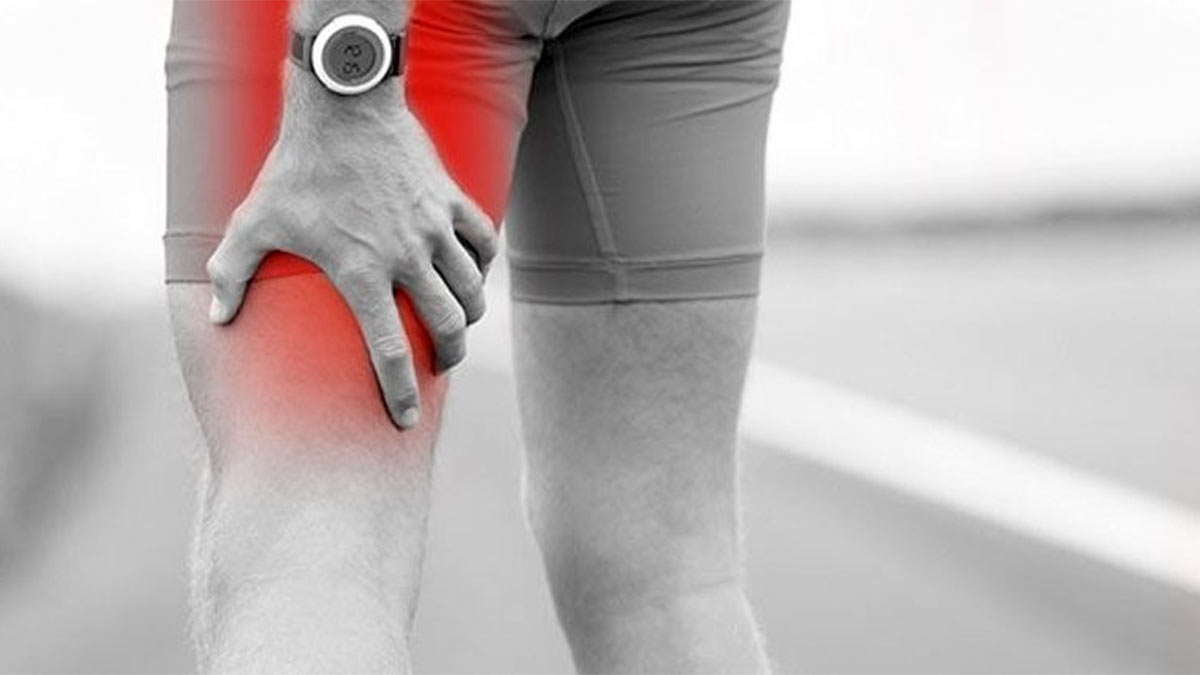
The legs absorb significant force during movement, making them susceptible to injury when exercises are poorly executed. Wrong exercise injuries in the legs often involve the knees, hips, hamstrings, and calves.
Common Leg Injuries Include:
- Patellar tendonitis
- Hamstring strains
- Hip flexor overuse
- Shin splints
In many cases, these injuries are linked to muscle imbalances where stronger muscles overpower weaker stabilizers. Wrong exercise injuries for legs and back often share this imbalance pattern, especially when core muscles fail to support lower-body movement.
A comprehensive training plan that balances strength, mobility, and recovery is essential to avoid such complications.
Back Injuries and Spinal Stress
The spine plays a central role in nearly all exercises. Unfortunately, it is also one of the most commonly injured areas due to poor posture and excessive load. Wrong exercise injuries affecting the back range from mild muscle strain to severe disc herniation.
Key Risk Factors:
- Rounded lower back during lifting
- Excessive spinal twisting
- Weak core muscles
- Poor breathing technique
Many people unknowingly perform exercises that aggravate spinal conditions. Educational resources such as Review of the best exercises for back pain emphasize selecting movements that support spinal health rather than compromise it.
When the lower back is repeatedly stressed, Wrong exercise injuries for legs and back can overlap, causing pain that radiates through the hips and legs.
The Role of Core Stability
A weak core is one of the leading contributors to exercise-related back injuries. Without proper core engagement, the spine compensates, increasing injury risk. Wrong exercise injuries often develop when individuals focus on visible muscles while neglecting deep stabilizers.
Core stability is especially important for protecting the lumbar region. Programs that include controlled strengthening movements—similar in philosophy to best exercises for lumbar disc rehabilitation protocols can significantly reduce injury risk when integrated properly.
Long-Term Consequences of Ignoring Exercise Injuries
One of the most dangerous aspects of Wrong exercise injuries is how often they are ignored. Many people continue training through pain, assuming discomfort is normal. Over time, this can lead to:
- Chronic inflammation
- Reduced mobility
- Nerve compression
- Degenerative joint conditions
Persistent Wrong exercise injuries for legs and back can alter movement patterns, increasing stress on other joints and creating a cycle of injury.
Prevention Strategies for Safe Training
Preventing injury requires more than just reducing workout intensity. A comprehensive approach includes education, body awareness, and recovery. Wrong exercise injuries can be minimized by following these principles:
- Learn proper form from qualified professionals
- Warm up dynamically before training
- Strengthen stabilizing muscles
- Progress intensity gradually
- Prioritize rest and recovery
Listening to the body and addressing minor pain early can prevent serious damage.
Rehabilitation and Return to Exercise

Recovering from an injury does not mean abandoning physical activity. Instead, it requires structured rehabilitation and intelligent exercise selection. Although Wrong exercise injuries for legs and back are common, many individuals successfully return to training with improved technique and awareness.
Rehabilitation programs should emphasize:
- Controlled movement patterns
- Gradual load progression
- Postural correction
- Muscle balance restoration
Proper rehabilitation often results in better long-term performance than pre-injury training habits.
Conclusion
Exercise is a powerful tool for health, but only when performed correctly. Wrong exercise injuries highlight the importance of proper technique, balanced programming, and body awareness. The legs and back are especially vulnerable due to their role in movement and load bearing.
By understanding the causes of Wrong exercise injuries for legs and back, individuals can make informed decisions, train more safely, and reduce the risk of long-term damage
