



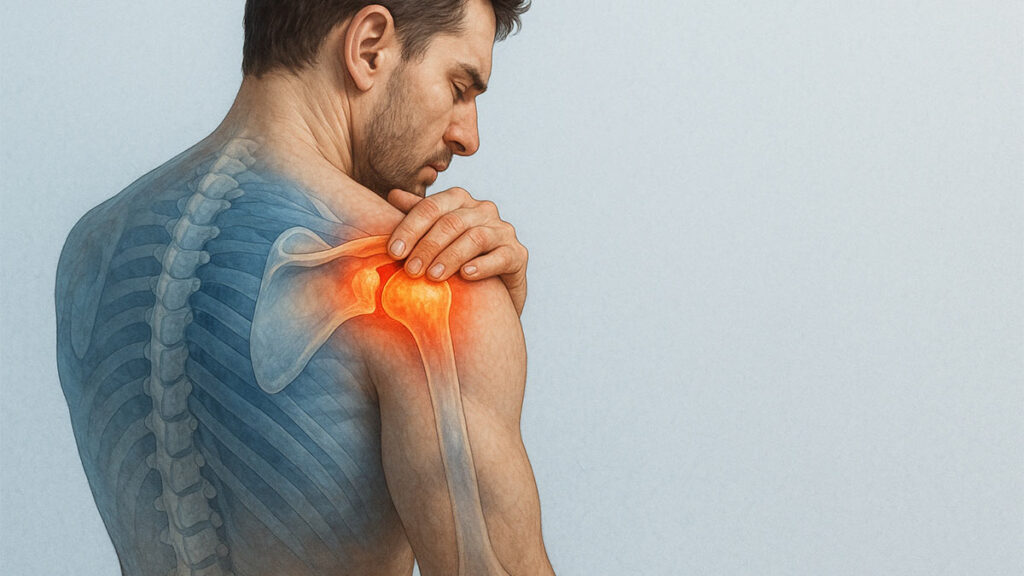
The shoulder joint, also known as the glenohumeral joint, connects the upper arm bone (humerus) to the shoulder blade (scapula). It is supported by the rotator cuff a group of four muscles and tendons that stabilize the joint and allow smooth movement. Because of its wide range of motion, the shoulder sacrifices stability for flexibility.
This anatomical complexity explains why the causes of shoulder pain can vary widely, ranging from minor muscle strain to serious structural damage. Any imbalance in strength, posture, or movement patterns can place excessive stress on the shoulder structures.
Common Causes of Shoulder Pain
Rotator Cuff Injuries
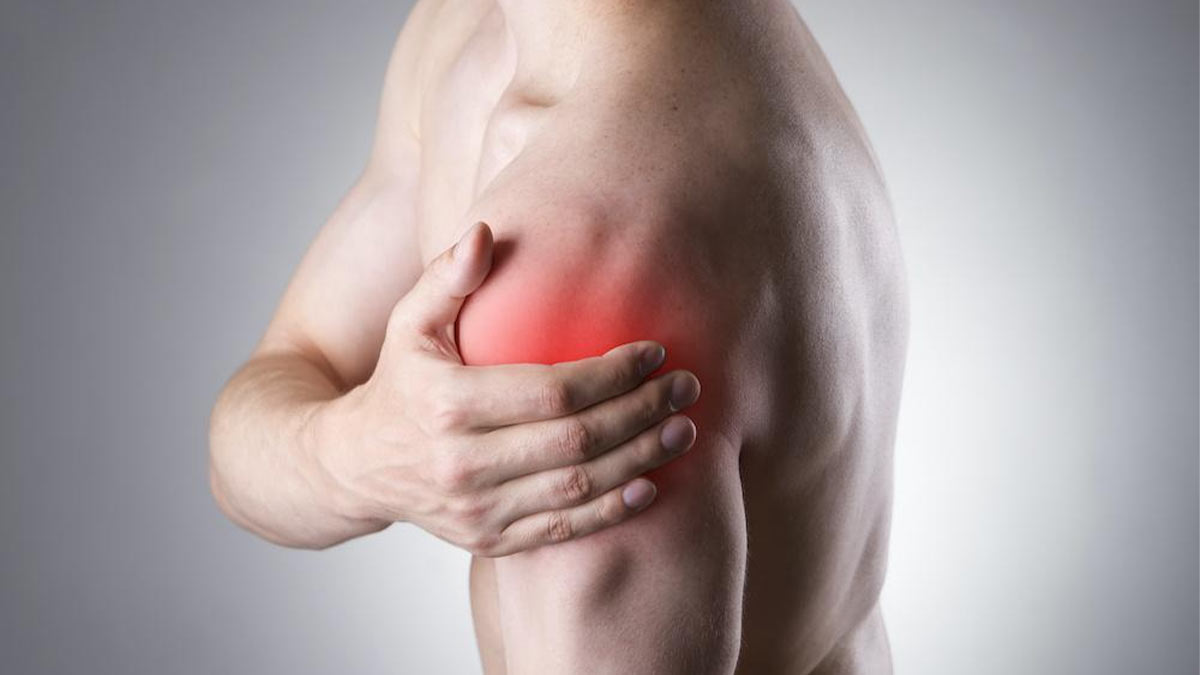
Rotator cuff injuries are among the most frequent sources of shoulder pain. These injuries may include inflammation (tendinitis), partial tears, or full-thickness tears caused by overuse, trauma, or age-related degeneration. Overhead activities such as lifting, throwing, or repetitive arm movements significantly increase the risk.
Rotator cuff problems often develop gradually and worsen over time if not addressed properly. They are a primary contributor to chronic shoulder discomfort and limited range of motion.
Shoulder Impingement Syndrome
Shoulder impingement occurs when the rotator cuff tendons become compressed between the bones of the shoulder during movement. This condition is commonly linked to poor posture, muscle imbalances, or repetitive overhead activity.
Understanding the causes of shoulder pain related to impingement requires looking beyond the shoulder itself. Weak upper-back muscles and tight chest muscles often play a role, emphasizing the importance of full-body assessment.
Frozen Shoulder (Adhesive Capsulitis)
Frozen shoulder is characterized by stiffness, pain, and a progressive loss of shoulder mobility. It typically develops in stages and can last for months or even years. This condition is more common in individuals with diabetes, thyroid disorders, or prolonged shoulder immobilization.
Although the exact cause is not always clear, inflammation and thickening of the joint capsule are central factors. Early intervention is crucial for improving outcomes.
Arthritis and Degenerative Conditions
Osteoarthritis and rheumatoid arthritis can both affect the shoulder joint, leading to pain, stiffness, and reduced mobility. Degeneration of cartilage causes friction between bones, resulting in chronic discomfort.
Age-related degeneration is one of the often-overlooked causes of shoulder pain, especially in older adults who may attribute symptoms to normal aging rather than treatable conditions.
Lifestyle and Movement-Related Factors
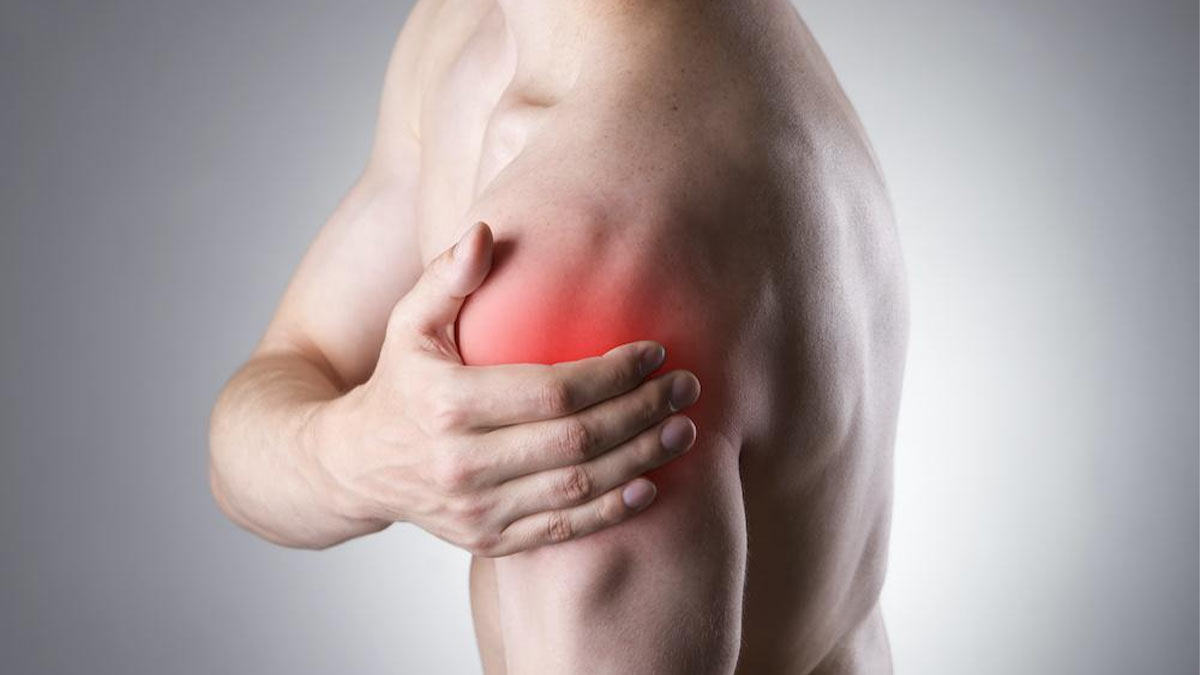
Modern lifestyles significantly contribute to shoulder pain. Prolonged sitting, excessive screen time, and lack of physical activity weaken stabilizing muscles and promote poor posture. Forward head posture and rounded shoulders increase strain on the shoulder joint.
In this context, concepts such as Examining the effects of not exercising properly are highly relevant, as improper or insufficient movement patterns can silently damage shoulder mechanics over time.
Referred Pain and Postural Imbalances
Not all shoulder pain originates in the shoulder itself. Neck dysfunction, upper back stiffness, and nerve compression can refer pain to the shoulder region. For example, cervical spine tension may mimic shoulder injury symptoms.
This is why practices like Correct methods of neck massage without injury can indirectly support shoulder health by reducing nerve irritation and muscular tension in adjacent regions.
Diagnostic Approach to Shoulder Pain
Accurate diagnosis is essential for effective treatment. A thorough assessment typically includes a physical examination, movement analysis, and imaging studies such as X-rays or MRI scans when necessary.
Clinicians evaluate posture, muscle strength, joint mobility, and pain patterns to determine the underlying issue. Identifying the exact causes of shoulder pain allows for targeted interventions rather than generic symptom management.
Treatment Methods for Shoulder Pain
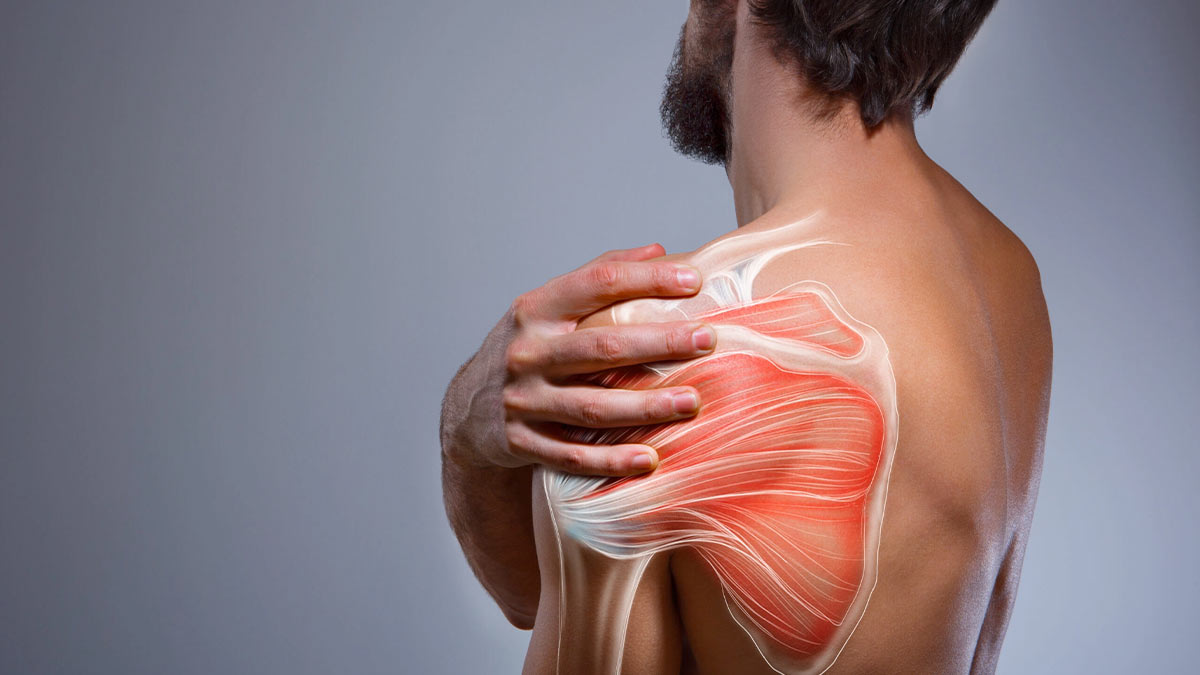
Effective recovery depends on selecting appropriate Treatment methods based on the severity and origin of pain. Most shoulder conditions respond well to conservative approaches when addressed early.
Physical Therapy and Exercise
Physical therapy is a cornerstone of shoulder rehabilitation. It focuses on restoring strength, flexibility, and coordination in the shoulder and surrounding muscles. Programs often include mobility drills, resistance exercises, and posture correction strategies.
Exercise selection is critical. Similar to how best exercises for back pain are tailored to spinal mechanics, shoulder exercises must match the individual’s condition and movement capacity.
Pain Management and Inflammation Control
Nonsteroidal anti-inflammatory drugs (NSAIDs), ice therapy, and rest are commonly used during the acute phase of injury. These approaches reduce pain and swelling, allowing patients to participate more effectively in rehabilitation.
However, medication alone does not address the root causes of shoulder pain, highlighting the importance of combining symptom relief with corrective strategies.
Manual Therapy and Soft Tissue Techniques
Manual therapy techniques such as joint mobilization and soft tissue release can improve mobility and reduce muscle tension. These techniques are often used alongside exercise-based Treatment methods to accelerate recovery.
Manual interventions should always be performed by trained professionals to avoid further irritation or injury.
Injection Therapy and Advanced Interventions
In cases of severe inflammation or persistent pain, corticosteroid injections may be considered. These injections reduce inflammation and provide temporary relief, allowing patients to engage in rehabilitation more effectively.
Surgical intervention is reserved for cases involving significant structural damage, such as full-thickness rotator cuff tears that do not respond to conservative care.
Rehabilitation Progression and Recovery

Recovery from shoulder pain requires patience and consistency. Rehabilitation progresses through phases, beginning with pain reduction and ending with strength and functional restoration.
This structured approach mirrors post-surgical recovery models like Review of the best exercises after liposuction, where gradual progression prevents complications and supports tissue healing.
Prevention Strategies for Long-Term Shoulder Health
Preventing recurrence is as important as treating current symptoms. Strengthening stabilizing muscles, maintaining good posture, and practicing proper lifting techniques all reduce the risk of reinjury.
Programs designed to improve joint resilience, similar in philosophy to Methods for strengthening the knee in 2 months, emphasize gradual overload, consistency, and proper technique.
Understanding the causes of shoulder pain empowers individuals to modify habits and adopt healthier movement patterns.
Psychological Impact of Shoulder Pain
Chronic shoulder pain affects more than just physical function. Persistent discomfort can lead to stress, sleep disturbances, and reduced confidence in movement. Addressing these psychological factors is an often-overlooked aspect of comprehensive care.
Holistic Treatment methods consider both physical and mental well-being, promoting long-term recovery rather than temporary relief.
Conclusion
Shoulder pain is a multifaceted condition influenced by anatomy, lifestyle, posture, and movement habits. Identifying the causes of shoulder pain is essential for selecting appropriate interventions and avoiding long-term complications. From rotator cuff injuries and impingement to postural dysfunction and degenerative changes, each cause requires a tailored approach.
By combining accurate diagnosis, evidence-based Treatment methods, and preventive strategies, individuals can restore shoulder function and maintain long-term joint health. A proactive, informed approach ensures not only pain relief but also improved performance and quality of life.
