



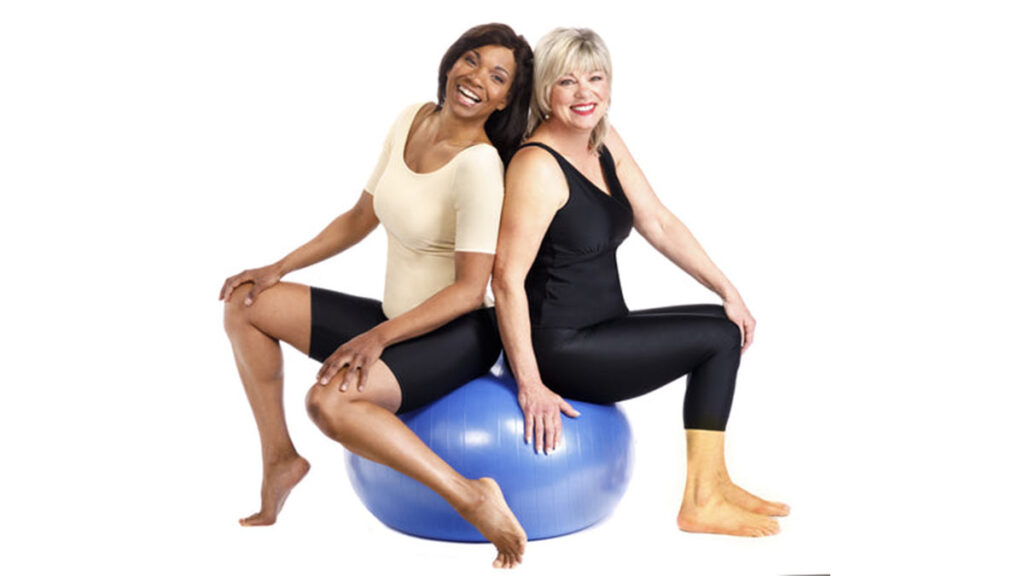
Compression garments have become an essential part of medical recovery, fitness optimization, and swelling management. From athletes seeking faster muscle recovery to patients healing after surgery, understanding the best time to wear compression garments allows people to optimize effectiveness, avoid discomfort, and achieve better long term outcomes. Because compression works by improving circulation, reducing fluid buildup, and stabilizing tissues, timing can dramatically influence the results one experiences.
Although many people focus on the type or level of compression, fewer pay attention to the timing of use. Yet, when compression is worn at the correct hours whether in the morning, during physical activity, or overnight it helps regulate swelling, supports lymphatic drainage, and aids tissue regeneration. This is why exploring the best time to wear compression garments across different lifestyles and medical conditions is crucial for achieving the most consistent and measurable benefits.
Before diving deeper into timing strategies, it’s helpful to consider how professionals evaluate body response and pressure distribution. For example, studies on Weight loss assessment using compression garments highlight how consistent pressure can influence fluid movement, thermal response, and muscle support. Although this topic relates to weight management rather than recovery timing, the principle remains universal: compression is most effective when its use is strategically planned.
Morning Use: A Strategic Start for Circulation
Many medical professionals recommend the morning as the best time to wear compression garments, especially for individuals managing conditions like edema, varicose veins, or chronic swelling. After sleeping horizontally overnight, the body distributes fluids evenly, resulting in minimal morning swelling. Putting on compression during this low-swelling period allows the garment to prevent fluid accumulation throughout the day.
This early timing ensures that compression is applied before gravity causes swelling in the lower extremities. Morning use also benefits people with occupations requiring prolonged standing or walking. By wearing compression soon after waking, individuals prevent the onset of discomfort and heaviness in the legs.
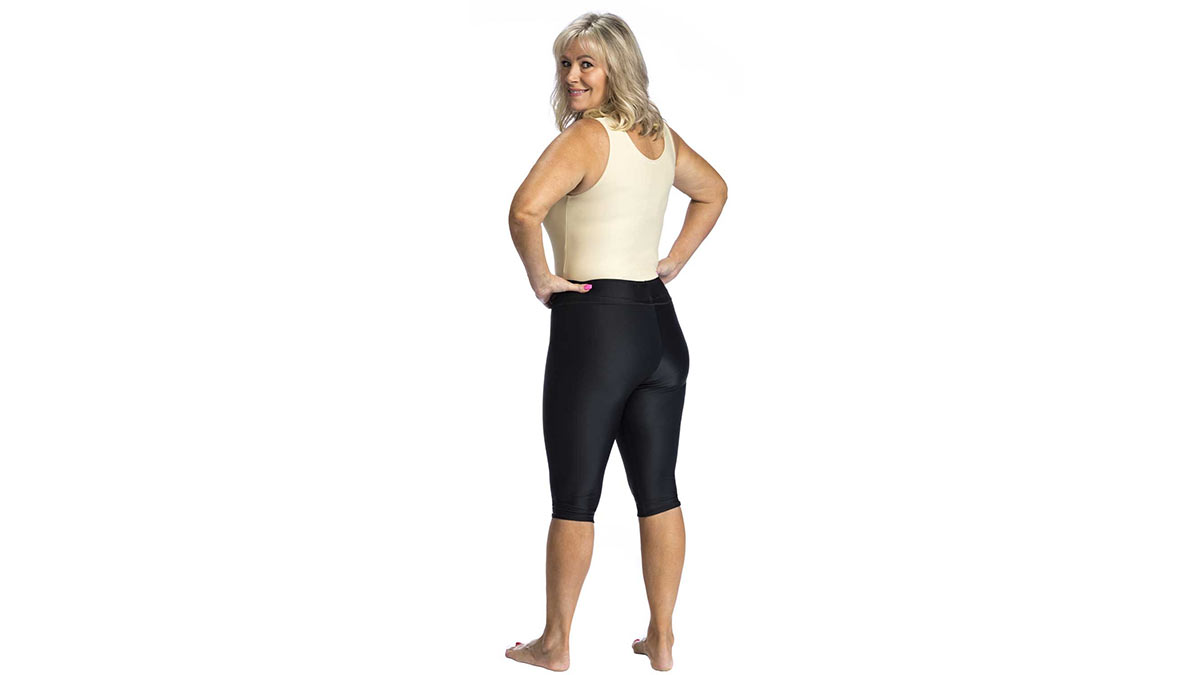
In therapeutic settings, specialists often advise patients to wear compression garments shortly after waking to achieve maximum pressure consistency
throughout the day. This creates a preventive barrier against swelling rather than attempting to correct swelling once it has already developed.
Additionally, facial and jaw-related procedures sometimes require compression, and certain devices like a Face Lipomatic Pressure Garment are designed for early-day wear to control swelling and maintain contour stability. Though used for cosmetic recovery rather than leg support, the timing principles remain the same: early application improves outcomes.
During Physical Activity: Enhancing Muscle Support and Endurance
Some people find that the best time to wear compression garments is during exercise or physically demanding tasks. Athletes, runners, and weightlifters often use compression leggings or sleeves to stabilize muscles, reduce vibrations, and improve blood flow during training.
Applying compression during exercise increases oxygen delivery and reduces muscle fatigue, allowing for improved performance. It may also prevent small injuries caused by repetitive strain or shock absorption. For workers who engage in physically demanding jobs, wearing compression during long shifts helps maintain energy levels and minimizes fatigue.
People who choose to wear compression garments during exercise also report less muscle soreness afterward. This occurs because compression reduces the accumulation of lactic acid and supports faster lymphatic drainage.
Complementary studies in biomechanics such as Investigating the effect of compression garments on jaw angulation illustrate how compression can influence posture, muscular stability, and tissue alignment in various areas of the body. Although this research focuses on facial and jaw mechanics, it supports the broader idea that compression during movement can significantly influence muscular behavior.
Post Surgery: Following Medical Timing Protocols

For surgical patients, medical professionals determine the best time to wear compression garments depending on the procedure and healing stage. After liposuction, body contouring, or reconstructive surgery, compression helps reduce bruising, swelling, and discomfort. Most surgeons advise wearing the garment continuously during the first few weeks to help tissues adhere correctly and promote smooth healing.
During this period, patients often need structured timing schedules, such as wearing the garment 24 hours a day except during showering. As swelling decreases, patients gradually reduce usage based on the surgeon’s guidance.
In many cases, people must wear compression garments immediately after surgery to prevent fluid buildup and maintain contour definition. This immediate use ensures tissues settle uniformly during the initial healing window.
Technologies designed for facial and neck surgeries, including a Face Lipomatic Pressure Garment, demonstrate how localized compression can be essential within the first hours and days after a procedure. Although cosmetic rather than orthopedic, the principle of immediate postoperative compression applies universally across surgical categories.
Evening Use: Supporting Recovery After Daily Activity
For some individuals, the best time to wear compression garments is in the evening or after periods of intense activity. After a long day standing, walking, or sitting at a desk, the body may retain fluid in the legs or ankles. Wearing compression in the evening helps manage this accumulated swelling and promotes circulation before bedtime.
This timing is especially beneficial for people experiencing occupational swelling, pregnancy-related edema, or chronic fluid retention. Evening compression reduces the sensation of heaviness and provides relief from tired legs.
Recovery patterns are similar to therapeutic routines used by individuals healing from minor injuries. For example, patients who experience lower-limb swelling such as those recovering from compression garments after a leg fracture may find that applying compression later in the day supports their recovery and reduces discomfort.
Overnight Use: When Medical Guidance Permits
Although compression garments are commonly worn during the day, certain treatments prescribe nighttime use as the best time to wear compression garments. Overnight compression may be recommended for severe lymphedema, specific surgical recoveries, or chronic venous insufficiency.
During sleep, the body remains still, which allows consistent pressure to support fluid movement without interference from daily motion. However, nighttime use must always follow medical advice, as not all compression levels are intended for 8-hour wear periods.
Patients who need to wear compression garments overnight often use specialized designs with adjusted pressure to ensure comfort and safety. The absence of movement during sleep creates a unique opportunity for compression to work deeply within tissues, especially during early postoperative phases.
Scientists who examine Exploring the science and technology behind compression garments highlight how fabric elasticity, gradient pressure design, and anatomical shaping all influence whether a garment is safe for overnight use. These technological principles help determine when nighttime compression is appropriate and when it may cause excessive pressure.
For Travel and Long Periods of Sitting
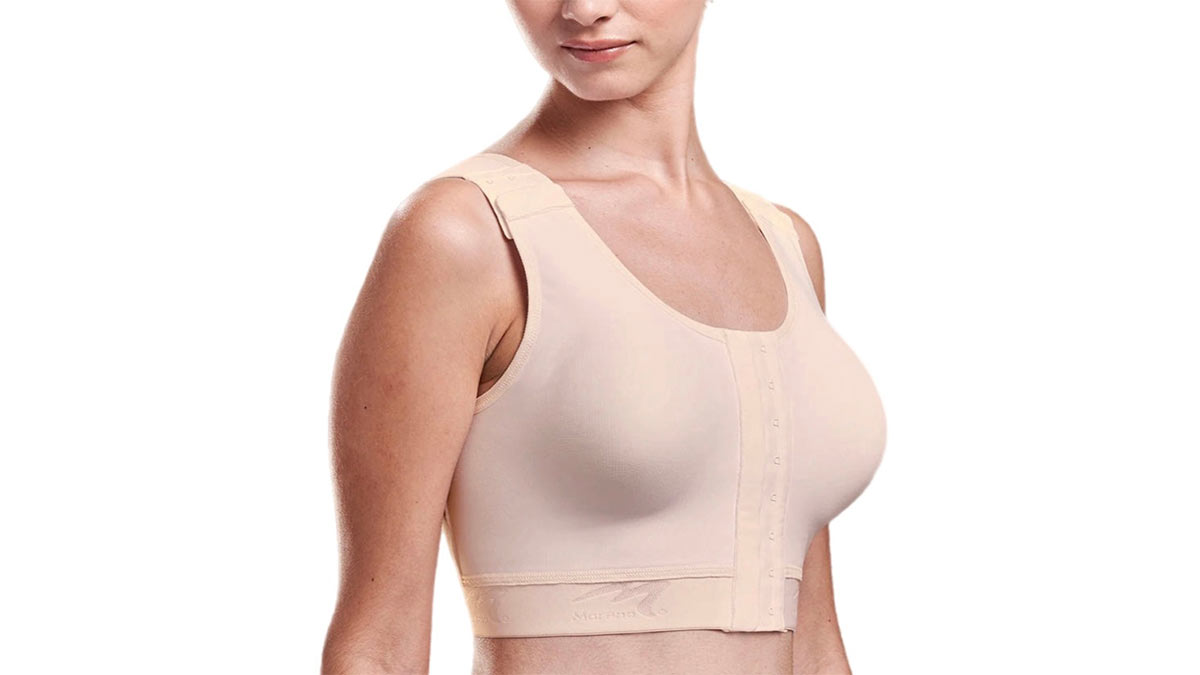
Long trips whether by plane, bus, or car are one of the ideal scenarios for determining the best time to wear compression garments. Extended sitting
restricts circulation and increases the risk of swelling or blood clots, especially in the legs.
Wearing compression during travel prevents blood pooling, supports venous return, and reduces the risk of DVT (deep vein thrombosis). For frequent travelers, doctors often recommend wearing compression from the beginning of a trip until arriving at the destination.
People who travel regularly may need to wear compression garments even if they do not experience swelling in daily life, simply because long sedentary periods affect circulation differently than normal routines.
During Recovery Programs and Physiotherapy
Compression garments are often prescribed during structured rehabilitation programs. Individuals recovering from sprains, tendon injuries, or swelling disorders may receive personalized schedules to determine the best time to wear compression garments. These schedules often align with exercise therapy, massage sessions, or manual lymphatic drainage.
Rehabilitation specialists use compression to reduce inflammation and stabilize tissues after therapeutic movement. This prevents swelling from returning after exercises and supports long term recovery goals.
Although designed for different purposes, facial recovery systems ike a Face Lipomatic Pressure Garment demonstrate how timing and consistency play significant roles in physiotherapy outcomes, regardless of body area.
Conclusion
Understanding the best time to wear compression garments is the key to maximizing their effectiveness. Whether used for athletic performance, medical recovery, daily swelling management, or preventive care, timing should match each individual’s needs and lifestyle.
Consistent but strategic usage morning, during activity, post-exercise, evening, overnight, or during travel ensures optimal compression results. Medical professionals often design customized schedules based on swelling patterns, healing stages, or circulation challenges.
A well-structured approach helps people experience the full benefits of compression garments, including reduced swelling, improved comfort, enhanced circulation, and faster recovery. Whether you choose to wear compression garments for medical reasons or performance enhancement, aligning your timing with professional guidance ensures the greatest therapeutic impact.
