



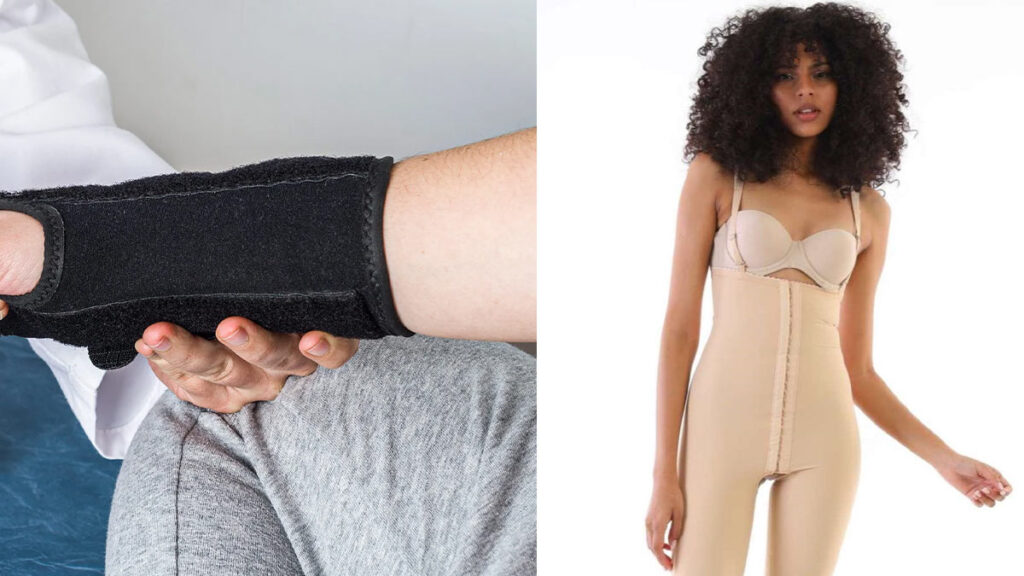
Understanding the difference between splints and compression garments is essential for patients, athletes, therapists, and anyone involved in injury prevention or recovery. Both tools are widely used in medical, rehabilitation, and wellness settings, yet they serve distinct purposes and function in fundamentally different ways. Choosing the wrong option can slow healing, reduce effectiveness, or even worsen a condition.
At first glance, splints and compression garments may appear similar because they are both worn externally and are designed to support the body. However, their structure, mechanism of action, and clinical applications vary significantly. This article provides a comprehensive, evidence-based exploration of how these supports work, when they should be used, and how to select the most appropriate option based on individual needs. By examining splints and compression garments in detail, readers will gain a clearer understanding of their roles in modern healthcare and performance optimization.
What Are Compression Garments?
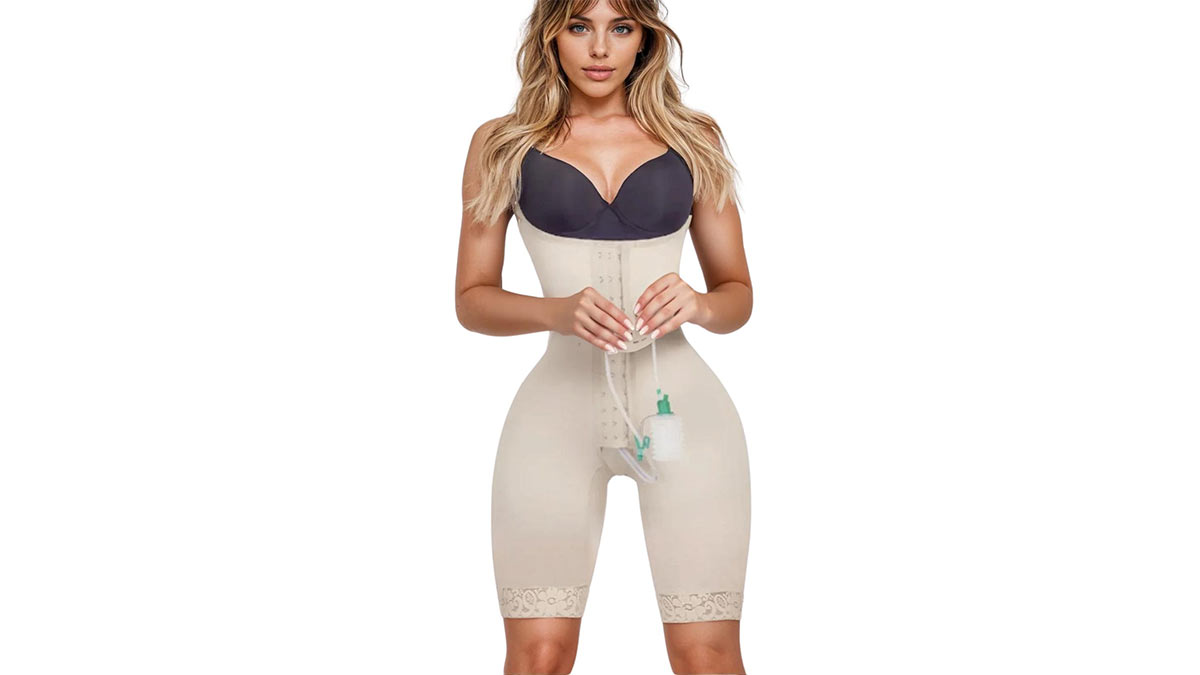
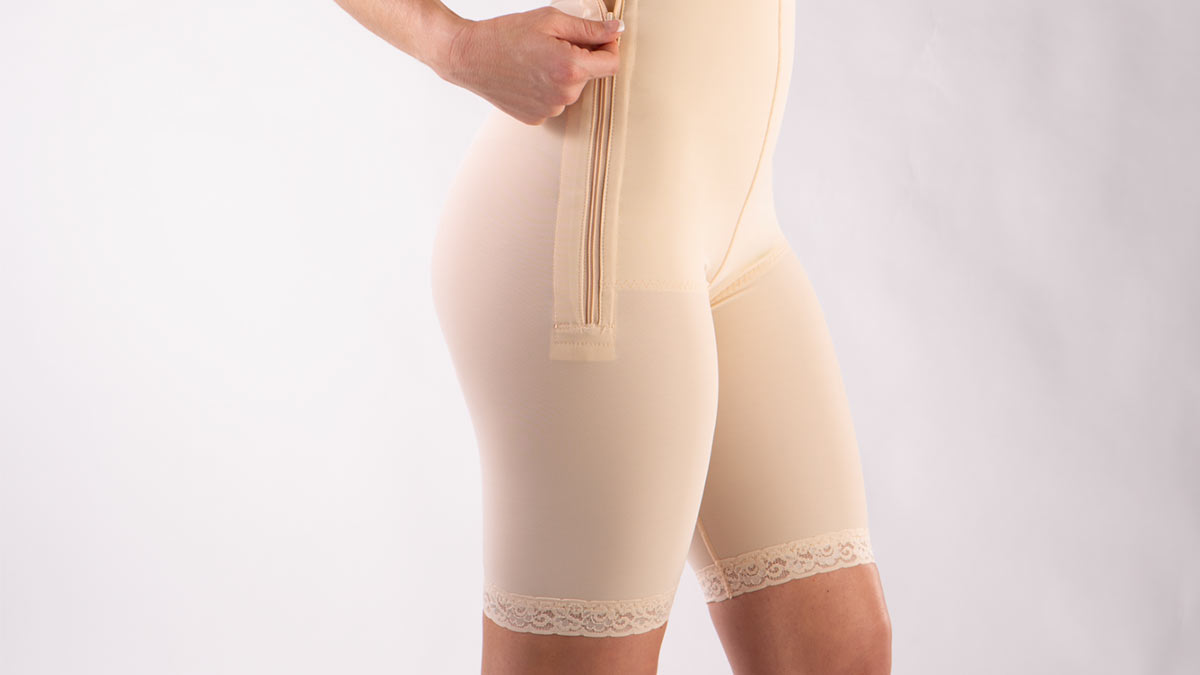
Compression garments are elastic, form-fitting apparel designed to apply controlled pressure to specific areas of the body. Common examples include compression sleeves, socks, gloves, shirts, and shorts. These garments are widely used for circulation support, muscle recovery, swelling reduction, and performance enhancement.
Rather than restricting movement, compression garments encourage it by improving blood flow and proprioception. This fundamental contrast illustrates how splints and compression garments serve opposing yet complementary purposes. Compression garments are often used in both medical and non-medical contexts, ranging from post-operative care to athletic training and daily wellness routines.
Core Functional Differences
The primary difference between splints and compression garments lies in their function: immobilization versus compression. Splints restrict motion to protect injured tissues, while compression garments promote circulation and muscular support without limiting mobility.
Splints are typically used in acute injury phases, where movement could delay healing or cause further damage. Compression garments, on the other hand, are more suitable for ongoing management, recovery, and prevention. Understanding this distinction helps users avoid misuse and ensures that each device is applied in the correct context.
Materials and Design Comparison
Splints are designed with rigidity in mind. Their materials are chosen for strength and stability, often prioritizing function over comfort. Padding may be added, but flexibility is intentionally limited.
Compression garments rely on advanced elastic textiles that balance pressure and comfort. Modern designs are informed by research such as Exploring the science and technology behind compression garments, which highlights innovations in fabric engineering, breathability, and graduated compression. These developments allow garments to deliver precise pressure while remaining wearable for extended periods.
Medical Applications and Clinical Use
In clinical settings, splints are frequently prescribed for fractures, tendon injuries, and severe sprains. They are often used immediately after trauma or surgery to ensure proper healing alignment.
Compression garments are widely used in managing edema, venous disorders, and post-surgical swelling. Their role in rehabilitation is particularly valuable, as they support circulation without interfering with movement. This contrast further reinforces the difference between splints and compression garments in structured medical care.
Rehabilitation and Physical Therapy
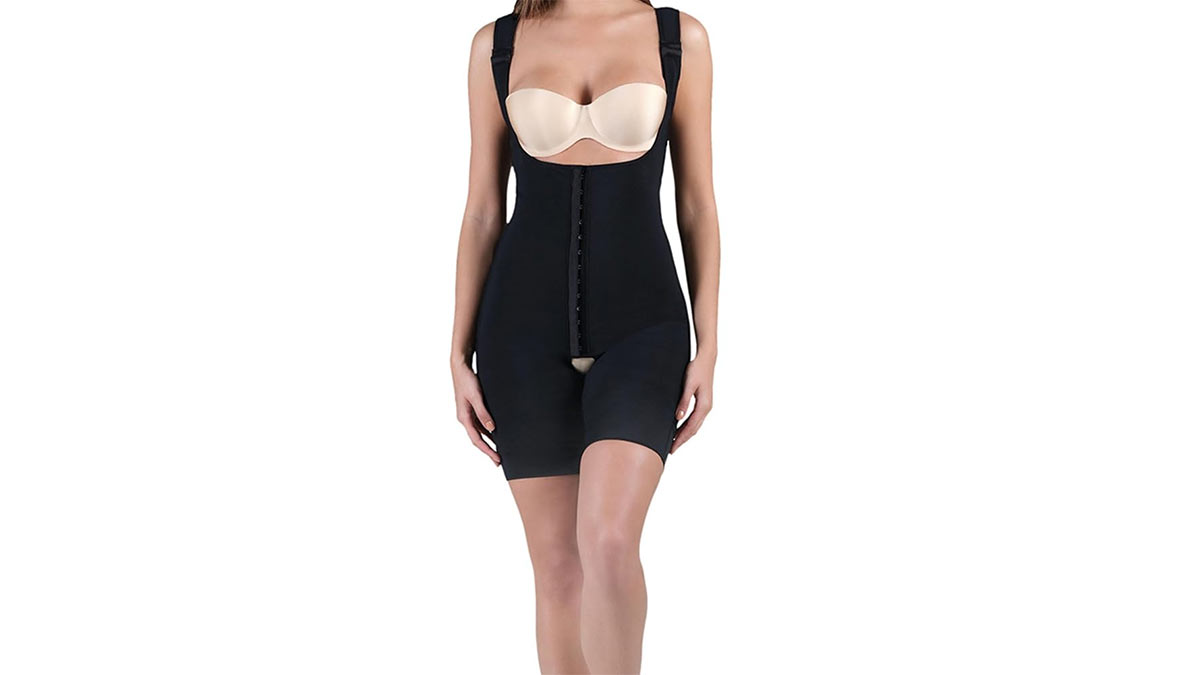
During rehabilitation, the choice between splints and compression garments depends on the stage of recovery. Early phases may require immobilization through splints, while later stages benefit from compression to enhance circulation and muscle engagement.
Physical therapists often integrate both tools into treatment plans. For example, a patient recovering from a joint injury may transition from a splint to compression support as mobility improves. This progression demonstrates how splints and compression garments can work together rather than compete.
Role in Sports and Performance
Athletes frequently use compression garments to reduce muscle fatigue, improve recovery, and enhance proprioception. These garments are popular in endurance sports, strength training, and post-competition recovery routines.
Splints, however, are rarely used in performance contexts unless an athlete is managing a specific injury. Their restrictive nature makes them unsuitable for active movement, underscoring another key difference between splints and compression garments in sports environments.
Aesthetic and Non-Medical Uses
Beyond medical and athletic applications, compression garments are also used for aesthetic and lifestyle purposes. Topics such as Exploring body shaping with compression garments illustrate how controlled pressure can influence appearance and posture without medical intervention.
Additionally, discussions around Weight loss assessment using compression garments highlight their role in body measurement consistency and progress tracking. These uses have no equivalent in splints, which are strictly medical devices with no aesthetic function.
Specialized and Emerging Applications
Compression technology continues to evolve, extending into specialized areas such as facial support and posture correction. Research into compression garments on jaw angulation demonstrates how targeted pressure may influence alignment and muscular balance in non-traditional regions of the body.
Manufacturing advancements also play a role, as seen in Exploring 3D technology in the production of compact garments treatment, which enables highly customized compression solutions. These innovations further separate compression garments from splints in terms of adaptability and future potential.
Comfort, Compliance, and Daily Use
Patient compliance is a critical factor in treatment success. Splints, while effective, can be uncomfortable and inconvenient for long-term use. They may interfere with daily activities and require regular adjustments.
Compression garments are generally easier to wear for extended periods. Their comfort and flexibility make them suitable for daily use, contributing to higher compliance rates. This practical consideration adds another layer to the difference between splints and compression garments when evaluating long-term solutions.
Choosing the Right Option
Selecting between these supports depends on injury type, severity, and treatment goals. Acute injuries requiring stabilization are best managed with splints, while chronic conditions, recovery phases, or preventative strategies often benefit from compression.
Consulting a healthcare professional is essential, as improper use of either device can hinder recovery. Understanding the difference between splints and compression garments empowers patients to make informed decisions and actively participate in their care.
Conclusion
The difference between splints and compression garments extends far beyond appearance. Splints provide rigid immobilization for protection and healing, while compression garments offer flexible support that enhances circulation, recovery, and performance. Each serves a distinct purpose within medical, athletic, and wellness contexts.
By recognizing when and how to use splints and compression garments appropriately, individuals can improve outcomes, reduce discomfort, and support long-term health. A clear understanding of their differences ensures safer, more effective use and highlights the importance of choosing the right support for the right situation.
