



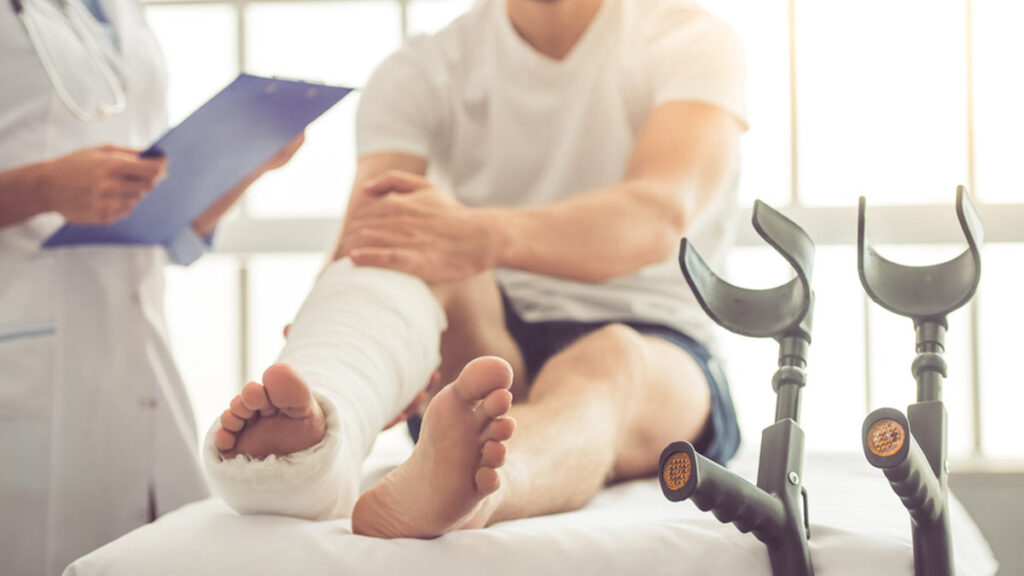
Checking when to wear compression garments after liposuction?A leg fracture is one of the most physically and mentally challenging injuries a person can experience. Recovery does not end once the bone is set or surgery is completed; instead, it begins a long process that requires discipline, proper care, and medical awareness. Understanding he most important care needed after a broken leg is essential for preventing complications, restoring mobility, and returning safely to daily life.
This article explores six critical care measures that play a decisive role in healing. Each section focuses on a different aspect of recovery, emphasizing safety, circulation, muscle preservation, and long-term health.
Understanding the Recovery Process After a Leg Fracture
Bone healing is a biological process that occurs in stages: inflammation, repair, and remodeling. While medical intervention aligns the bone, recovery success depends heavily on patient care. A broken leg affects not only the bone but also muscles, blood vessels, nerves, and surrounding soft tissue.
Neglecting proper care can result in delayed healing, chronic pain, stiffness, or even re-injury. This is why healthcare professionals consistently emphasize he most important care needed after a broken leg during rehabilitation planning.
1. Immobilization and Structural Protection
The first and most critical step in recovery is maintaining proper immobilization. Whether achieved through casting, bracing, or surgical fixation, limiting movement allows the bone to heal correctly.
Improper or premature movement increases the risk of misalignment and prolonged recovery. Patients must strictly follow medical guidance regarding weight-bearing restrictions. Even brief lapses in immobilization can compromise healing and undermine he most important care needed after a broken leg.
Structural protection also includes avoiding sudden movements, slips, or uneven surfaces that could place unexpected stress on the injured limb.
2. Swelling Control and Circulation Management
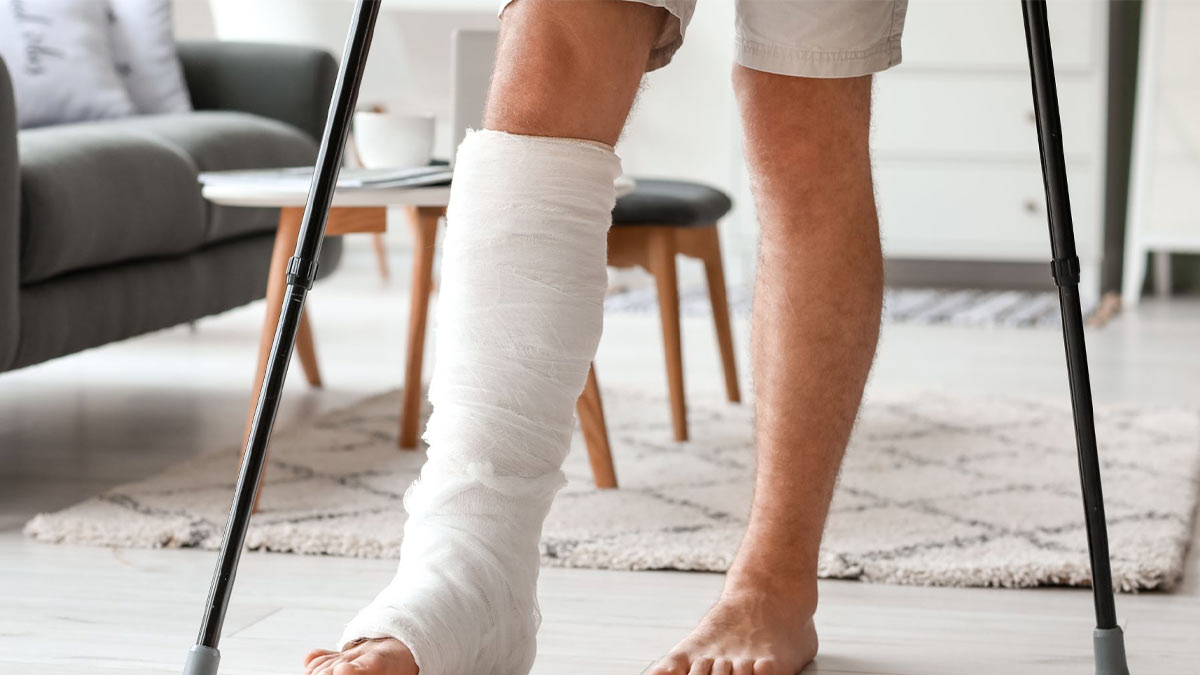
Swelling is a natural response to injury, but excessive inflammation can interfere with circulation and healing. Elevation, gentle movement of unaffected joints, and proper blood-flow management are essential.
In orthopedic recovery, compression therapy is often recommended to reduce edema and improve venous return. Medical-grade compression plays a recognized role in lower-limb rehabilitation and shares similarities with post-surgical care protocols such as wear compression garments after a leg fracture, where controlled pressure supports circulation and tissue recovery.
Managing swelling effectively is a cornerstone of he most important care needed after a broken leg, as it directly impacts pain levels and mobility.
3. Muscle Preservation and Preventing Atrophy
Extended immobilization leads to muscle loss, reduced strength, and joint stiffness. Even when the leg cannot bear weight, maintaining muscle engagement in surrounding areas is vital.
Isometric contractions, gentle range-of-motion exercises for adjacent joints, and physical therapy guidance help preserve muscle integrity. A broken leg does not mean the entire body should remain inactive; controlled movement prevents systemic deconditioning.
Failure to preserve muscle mass can delay rehabilitation and increase the risk of future injuries, making this step a critical element of he most important care needed after a broken leg.
4. Skin Care and Tissue Health During Recovery
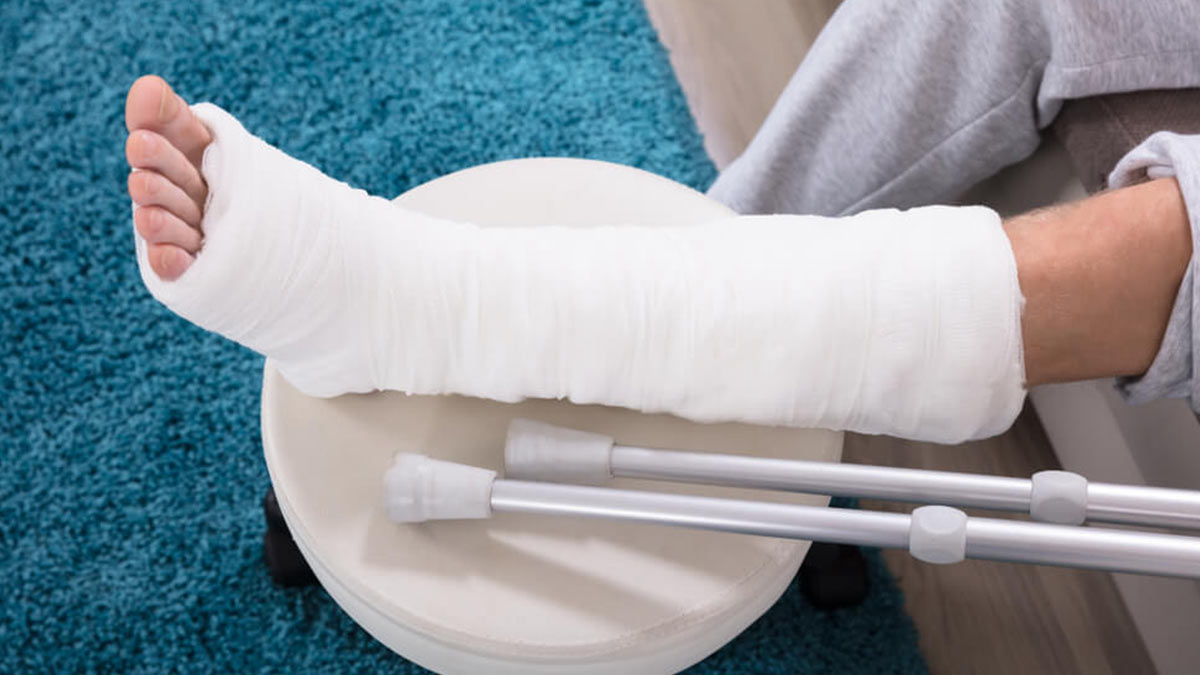
Skin health is often overlooked during fracture recovery, especially when casts or braces are involved. Prolonged pressure, moisture buildup, and reduced circulation can cause irritation or breakdown.
Medical garment research including Types of Medical Compression Garmentsd emonstrates how breathable, properly fitted materials support skin integrity and comfort during extended recovery periods.
Additionally, long-term immobility can affect tissue elasticity. Some recovery discussions draw parallels with dermatological rehabilitation topics such as Exploring the treatment of stretch marks with the help of Garment, highlighting how supportive garments influence skin adaptation under stress.
Maintaining skin health is an indirect but essential component of he most important care needed after a broken leg.
5. Gradual Weight Bearing and Movement Re-education
Returning to movement must be gradual and supervised. Rushing weight-bearing activities is one of the most common causes of delayed healing. The transition from non-weight bearing to partial and then full weight bearing should follow a structured rehabilitation plan.
Movement re-education teaches the body how to walk correctly again, preventing compensatory patterns that can stress the hips, knees, or lower back. A broken leg often alters gait mechanics, which, if uncorrected, may cause secondary injuries.
This phase reinforces he most important care needed after a broken leg by ensuring that mobility returns safely and efficiently.
6. Long-Term Lifestyle and Weight Management
Recovery does not end when pain subsides. Long-term lifestyle choices significantly affect healing outcomes. Maintaining a healthy body weight reduces stress on healing bones and joints.
Post-surgical and orthopedic recovery principles overlap with concepts seen in aesthetic rehabilitation, such as maintain weight after liposuction, where weight stability is critical for preserving outcomes. Similarly, consistent weight management supports bone integrity and prevents overload during recovery.
Nutrition, hydration, and activity balance all contribute to the final stage of he most important care needed after a broken leg.
Psychological Support and Mental Resilience
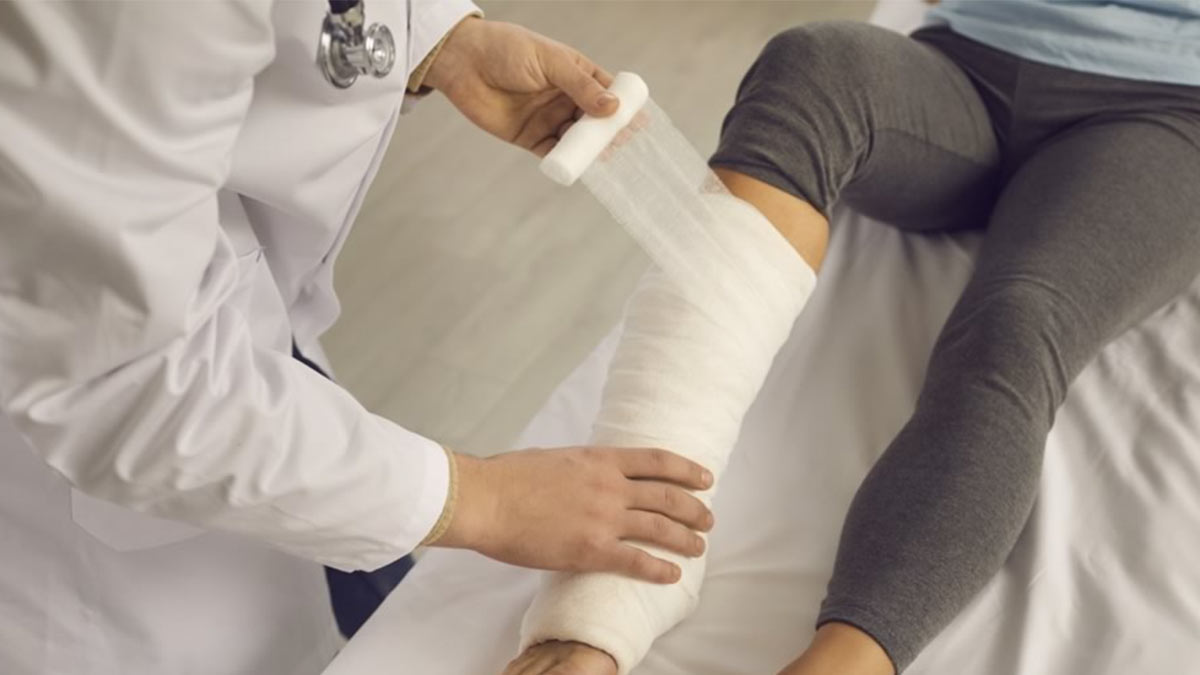
A leg fracture impacts mental health as much as physical well-being. Limited mobility can cause frustration, anxiety, and even depression. Psychological resilience plays a vital role in recovery adherence and motivation.
Maintaining realistic expectations, tracking small improvements, and seeking support when needed enhances overall recovery success. Mental well-being directly influences how effectively patients follow he most important care needed after a broken leg.
Avoiding Common Recovery Mistakes
Several common mistakes can slow healing:
- Ignoring pain signals
- Skipping follow-up appointments
- Removing supportive devices prematurely
- Resuming high-impact activities too soon
Education and patience are critical. Recovery setbacks often occur when individuals underestimate the seriousness of a broken leg.
The Role of Medical Follow-Ups and Monitoring
Regular imaging and medical assessments ensure that healing progresses as expected. Adjustments to treatment plans are common and necessary.
Monitoring bone alignment, muscle recovery, and circulation supports informed decision-making throughout rehabilitation and reinforces he most important care needed after a broken leg.
Returning to Daily Activities Safely
Daily tasks such as standing, climbing stairs, or driving require gradual reintroduction. Occupational therapy often assists patients in adapting safely to everyday movements during recovery from a broken leg.
Relearning these movements reduces fear and improves confidence, which is essential for full functional recovery.
Conclusion
Recovering from a leg fracture is a multifaceted process that extends beyond bone healing. From immobilization and circulation control to muscle preservation and mental resilience, each element contributes to a successful outcome.
Understanding and applying he most important care needed after a broken leg helps prevent complications, shortens recovery time, and restores quality of life. With patience, proper guidance, and consistent care, individuals can return to normal activity stronger and more informed than before.
