



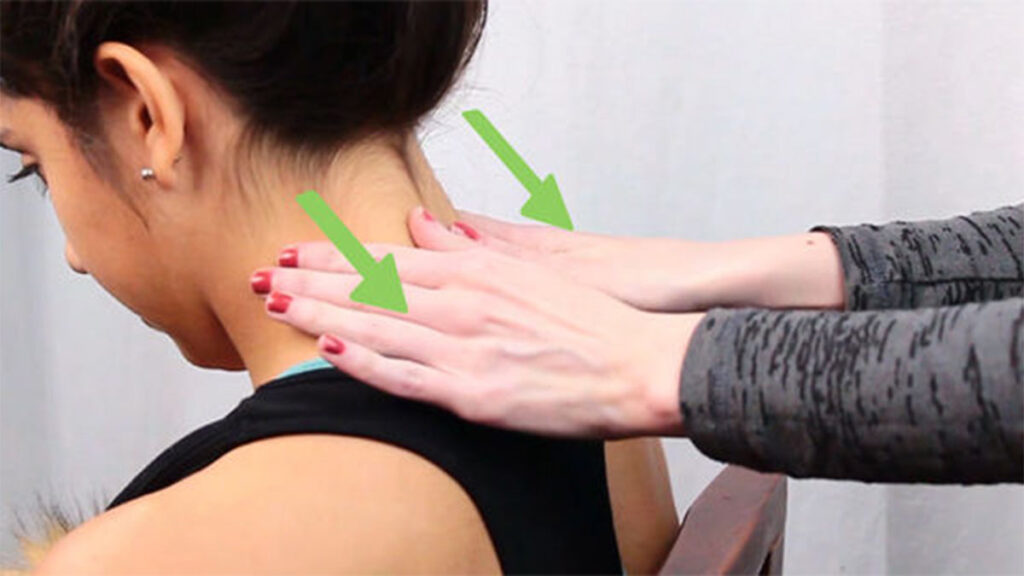
Neck pain has become one of the most common physical complaints in modern life. Long hours of desk work, constant smartphone use, stress, and poor posture all contribute to muscle tension and stiffness in the cervical area. While massage is often recommended as an effective solution, improper techniques can easily lead to strain, nerve irritation, or even long-term injury. Understanding methods of neck massage without injury is therefore essential for anyone seeking pain relief, relaxation, or improved mobility.
Massage therapy for the neck is not merely about applying pressure. It involves knowledge of anatomy, pressure control, body alignment, and awareness of individual limitations. When practiced correctly, it can improve circulation, reduce muscle tension, relieve headaches, and promote overall well-being. However, unsafe or aggressive approaches may worsen symptoms rather than alleviate them. This comprehensive guide explores safe practices, professional insights, and practical tips to help you apply massage techniques responsibly.
Understanding Neck Anatomy Before Massage
The neck, also known as the cervical region, is a delicate structure composed of seven vertebrae, muscles, tendons, ligaments, nerves, and blood vessels. These components work together to support the head while allowing flexibility and movement. Any massage approach that ignores this complexity risks causing harm.
Muscles such as the trapezius, sternocleidomastoid, levator scapulae, and deep cervical flexors play crucial roles in neck movement and posture. Applying pressure directly on the cervical spine or compressing nerves can result in pain, dizziness, or numbness. This is why learning Correct methods of neck massage starts with respecting anatomical boundaries and understanding where pressure is safe and beneficial.
Benefits of Safe Neck Massage Techniques
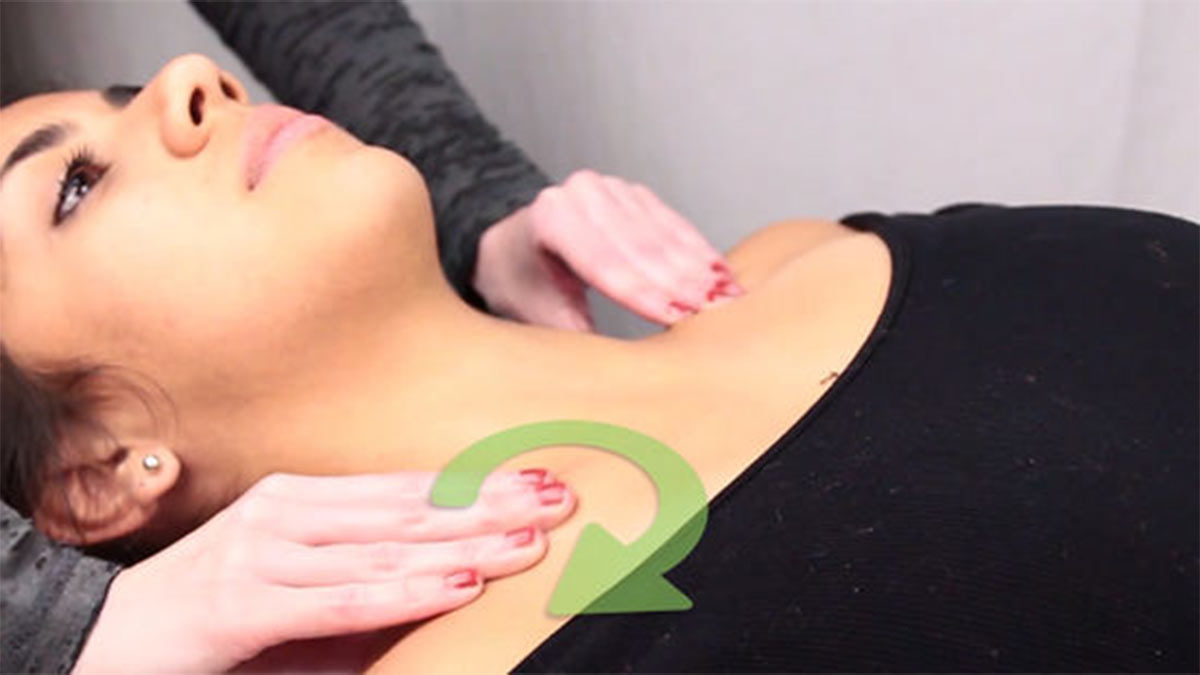
When performed correctly, neck massage offers a wide range of physical and mental benefits. Safe techniques increase blood flow to the muscles, allowing oxygen and nutrients to reach tight or fatigued areas. This process helps reduce inflammation and promotes muscle recovery.
Additionally, massage stimulates the parasympathetic nervous system, which lowers stress levels and enhances relaxation. Many people experience relief from tension headaches, improved sleep quality, and better posture after consistent, well-executed massage sessions. By focusing on methods of neck massage without injury, individuals can enjoy these benefits without risking further discomfort or damage.
Preparing for a Safe Neck Massage Session
Preparation is a critical step that is often overlooked. Before beginning any massage, the environment should be calm, clean, and comfortable. Proper seating or lying positions help maintain spinal alignment and prevent unnecessary strain.
Warm muscles respond better to massage, so gentle heat application such as a warm towel can be beneficial. Using appropriate massage oils or creams reduces friction and allows smoother movements. These preparatory steps form the foundation of Correct methods of neck massage, ensuring that the session begins safely and effectively.
Gentle Techniques for Beginners
For those new to massage, gentle techniques are the safest place to start. Light stroking motions, known as effleurage, help warm up the muscles and increase circulation. These movements should always follow the natural direction of muscle fibers.
Kneading techniques can then be applied with moderate pressure, focusing on muscle tissue rather than bone. Avoid sudden movements, excessive force, or prolonged pressure in one spot. Practicing methods of neck massage without injury means prioritizing comfort and responsiveness over intensity.
Pressure Control and Hand Positioning
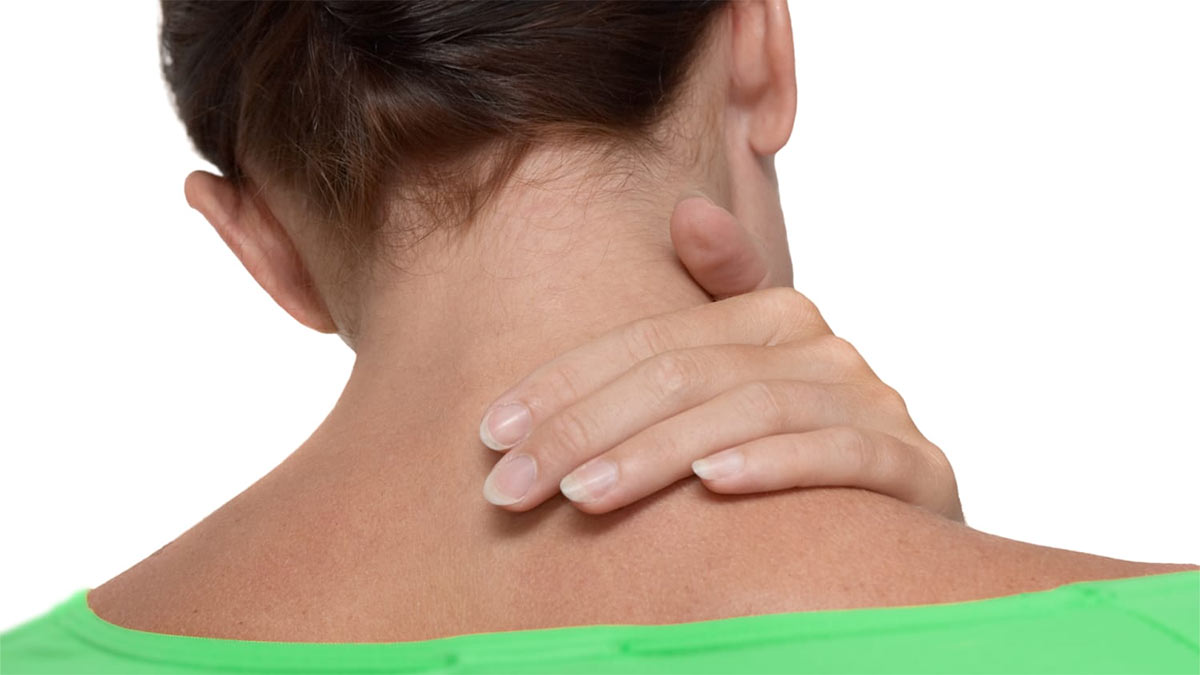
One of the most common causes of massage-related injuries is improper pressure. Excessive force can compress nerves or strain muscles, especially in sensitive areas like the neck. Pressure should always be adjustable and guided by feedback from the person receiving the massage.
Using the pads of the fingers or the palm is generally safer than using thumbs or elbows in the cervical region. Proper hand positioning reduces strain on both the practitioner and the recipient. Mastering pressure control is an essential component of Correct methods of neck massage, particularly for long-term safety.
Avoiding Common Mistakes in Neck Massage
Many people unintentionally cause harm by repeating common mistakes. Twisting the neck forcefully, applying pressure directly to the spine, or massaging inflamed or injured tissue can worsen existing problems. Sudden cracking or jerking motions should be avoided entirely.
These errors are similar to those seen in cases of Wrong exercise injuries for legs and back, where improper technique leads to pain instead of improvement. Just as with exercise, massage requires precision, patience, and respect for the body’s limits.
The Role of Posture and Alignment
Massage does not exist in isolation; posture plays a significant role in both the cause and prevention of neck pain. Poor posture places constant stress on cervical muscles, making them more prone to tension and injury.
Incorporating posture awareness into massage routines enhances their effectiveness. For example, releasing tight muscles while also correcting forward head posture can lead to longer-lasting relief. This approach aligns with holistic wellness strategies, similar to The best exercises for a hunchback without injury, where structural balance is key to safe improvement.
Self-Massage vs. Professional Massage
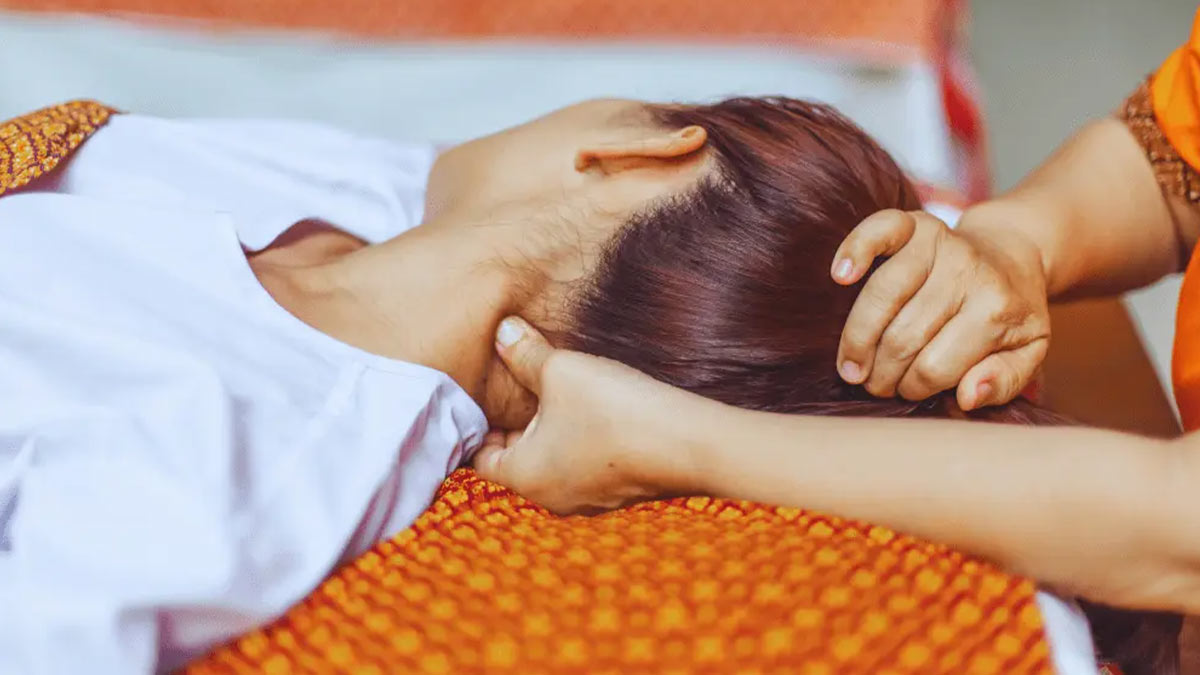
Self-massage can be a convenient and effective option when done carefully. Simple techniques such as gentle circular motions or using massage tools can help relieve daily tension. However, self-massage should never replace professional care when pain is severe or persistent.
Licensed massage therapists possess training in anatomy, pathology, and technique that allows them to adapt sessions to individual needs. They are also trained to recognize warning signs that indicate when massage is not appropriate. Choosing professional guidance supports methods of neck massage without injury, especially for individuals with chronic conditions.
When to Avoid Neck Massage
There are situations where neck massage should be avoided altogether. Acute injuries, infections, fractures, severe osteoporosis, or certain vascular conditions require medical evaluation before any manual therapy.
Recovery phases after serious injuries demand special care, much like the protocols outlined in 6 of the most important care needed after a broken leg, where timing and technique are crucial for healing. Ignoring these considerations can delay recovery or cause additional harm.
Complementary Tools and Supportive Practices
Massage tools such as foam rollers, massage balls, or ergonomic pillows can complement manual techniques when used appropriately. These tools should be applied with caution and never replace proper hand techniques.
Supportive accessories also play a role in overall musculoskeletal health. For instance, hand comfort and circulation matter during massage sessions, a concept often highlighted in discussions like 10 Reasons to Wear Compression Gloves for Your Fingers, which emphasizes joint support and reduced fatigue during repetitive tasks.
Integrating Stretching with Massage
Stretching enhances the benefits of massage by improving flexibility and maintaining muscle length. Gentle neck stretches performed after massage help prevent stiffness and encourage mobility.
Stretches should be slow, controlled, and pain-free. Combining stretching with Correct methods of neck massage creates a balanced routine that addresses both muscle tension and joint mobility without increasing injury risk.
Psychological Benefits of Safe Neck Massage
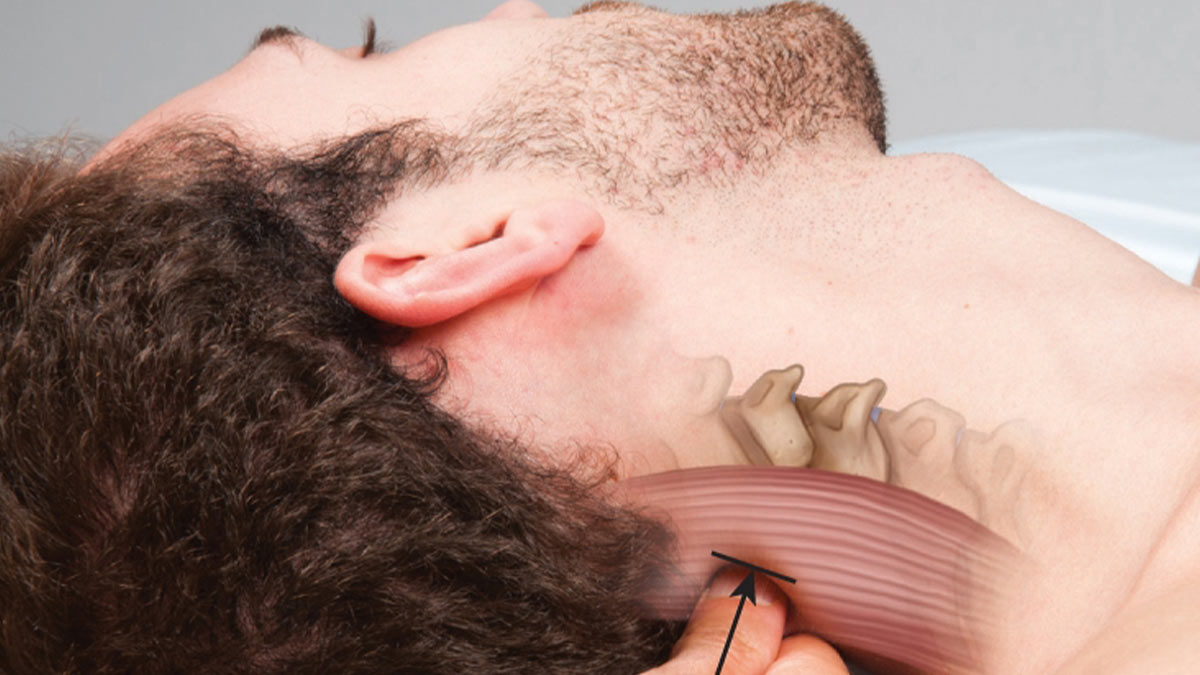
Beyond physical relief, neck massage has significant psychological benefits. Stress, anxiety, and mental fatigue often manifest as muscle tension in the neck and shoulders. Safe massage techniques promote relaxation and emotional well-being.
The mind-body connection plays a vital role in pain management. When massage is performed with awareness and care, it contributes to improved mood, better focus, and reduced stress levels. This holistic impact reinforces the importance of methods of neck massage without injury as part of a comprehensive wellness strategy.
Long-Term Maintenance and Prevention
Consistency is more effective than intensity when it comes to massage. Regular, gentle sessions help maintain muscle health and prevent recurring tension. Pairing massage with ergonomic adjustments, posture correction, and regular movement creates lasting benefits.
Educating oneself about safe practices ensures that massage remains a helpful tool rather than a source of harm. Over time, these habits reduce the likelihood of chronic pain and support overall spinal health.
Conclusion
Neck massage can be a powerful method for relieving pain, reducing stress, and improving quality of life but only when done correctly. Understanding anatomy, controlling pressure, maintaining proper posture, and recognizing limitations are all essential elements of safe practice. By focusing on methods of neck massage without injury, individuals can enjoy the benefits of massage while protecting their health.
Whether practiced at home or performed by a professional, massage should always prioritize safety, comfort, and informed technique. With the right knowledge and approach, neck massage becomes not just a temporary relief method, but a sustainable part of long-term physical and mental well-being.
