



Knee pain and instability affect athletes, older adults, and even individuals with sedentary lifestyles. Whether caused by injury, arthritis, overuse, or post-surgical recovery, the knee joint often requires additional support to maintain function and reduce discomfort. Among the most effective non-invasive solutions are compression garments specifically designed for knee support. Understanding the Types of Compression Garments for Knees | can help individuals choose the right product based on their needs, activity level, and medical condition.
Compression garments for knees work by applying graduated pressure around the joint. This pressure improves blood circulation, reduces swelling, enhances proprioception, and stabilizes soft tissues. However, not all compression garments are the same. Different designs, materials, and compression levels serve different purposes. This comprehensive guide explores the major Types of Compression Garments for Knees |, their benefits, use cases, and selection criteria.
How Compression Garments Work for the Knee
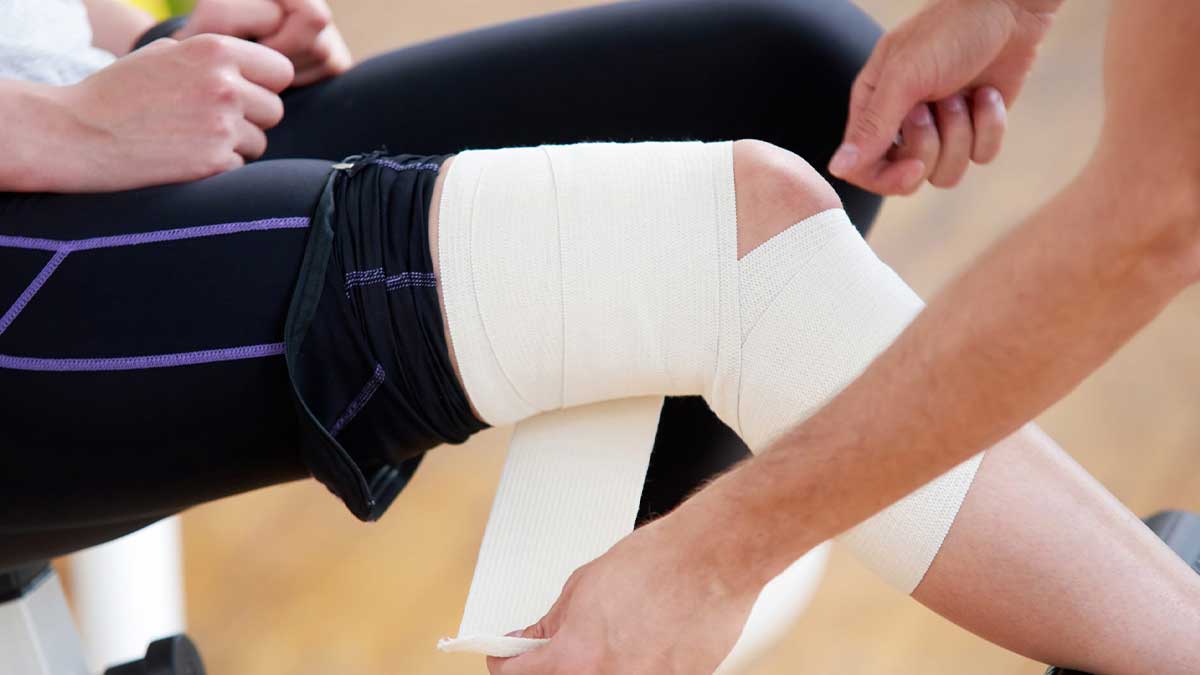
Before diving into the Types of Compression Garments for Knees |, it is essential to understand the mechanism behind compression therapy. When gentle pressure is applied to soft tissues, it improves venous return and lymphatic drainage. This helps reduce inflammation and fluid accumulation in the joint area.
Compression also enhances proprioception the body’s awareness of joint position which improves stability during movement. Athletes often rely on compression gear not only for injury recovery but also for injury prevention.
Interestingly, modern manufacturers are investing heavily in research, including studies similar to Exploring the science and technology behind compression garments, to improve fabric elasticity, moisture-wicking ability, and graduated pressure mapping. These advancements ensure better performance and long-term durability.
Knee Compression Sleeves
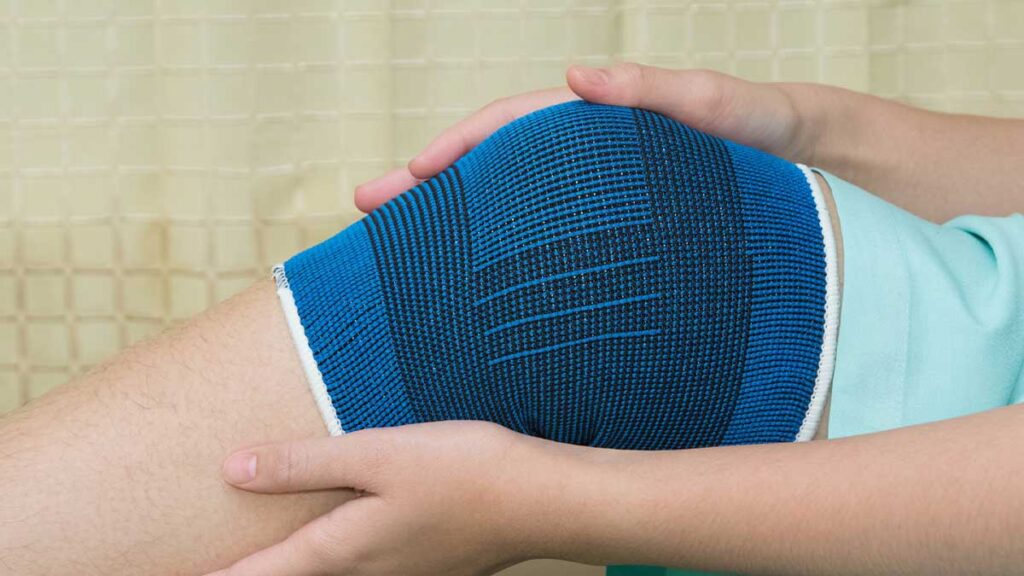
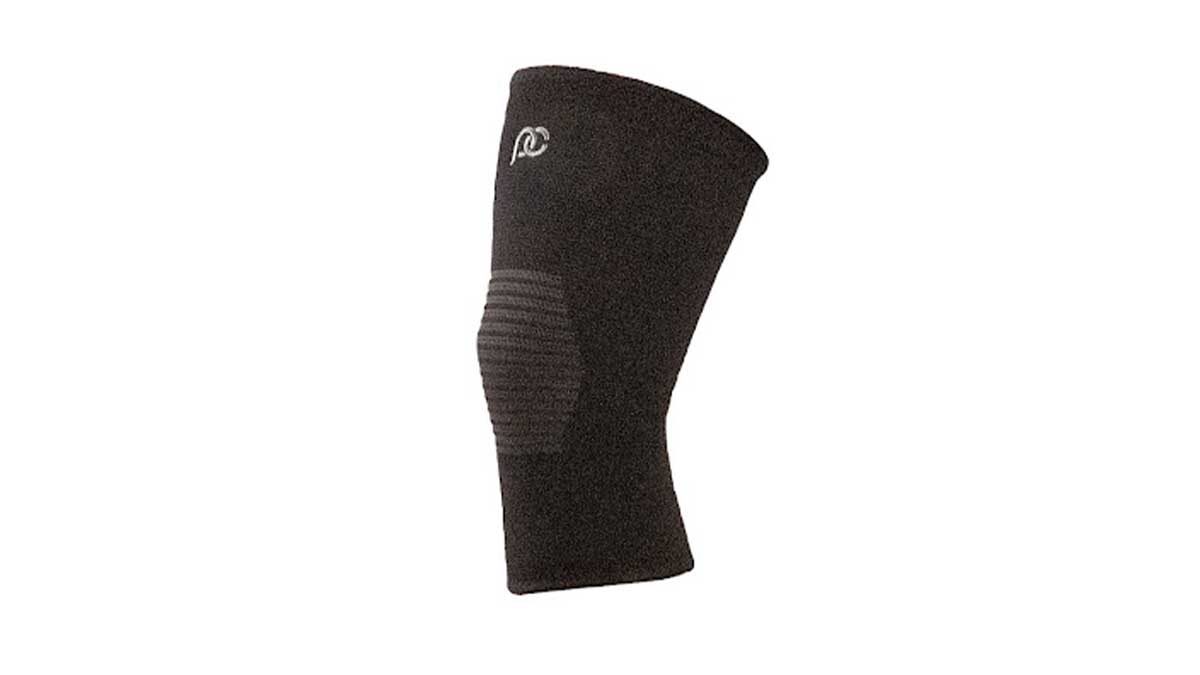
Knee compression sleeves are among the most popular options. They are elastic tubular garments that slide over the knee and provide uniform compression around the joint.
Features:
- Lightweight and flexible
- Easy to wear under clothing
- Suitable for mild to moderate knee pain
- Available in different compression levels
Athletes recovering from minor sprains or those dealing with chronic knee discomfort often prefer sleeves. Many users search for the Best knee Compression Sleeve to balance comfort and therapeutic benefit. The Best knee Compression Sleeve typically offers breathable material, non-slip silicone bands, and moderate compression without restricting movement.
These sleeves are ideal for running, gym workouts, and everyday activities.
Hinged Knee Braces with Compression
Unlike basic sleeves, hinged knee braces provide structural support in addition to compression. They include metal or plastic hinges on both sides of the knee to control lateral movement.
Best for:
- Ligament injuries (ACL, MCL, LCL)
- Post-surgical rehabilitation
- Moderate to severe instability
Hinged braces fall within advanced Types of Compression Garments for Knees |, offering both stabilization and circulation support. They are often prescribed by orthopedic specialists for patients recovering from ligament reconstruction.
Because these braces limit certain movements, they are not ideal for high-speed sports unless medically recommended.
Patellar Support Straps
Patellar straps are small bands worn just below the kneecap. They apply targeted pressure to the patellar tendon.
Suitable for:
- Patellar tendonitis
- Jumper’s knee
- Osgood-Schlatter disease
Though minimalistic, these straps are considered functional Types of Compression Garments for Knees | due to their localized compression effect. They reduce strain on the patellar tendon and help alleviate pain during jumping or running.
Athletes involved in basketball or volleyball often rely on this type of targeted support.
Open-Patella Compression Braces
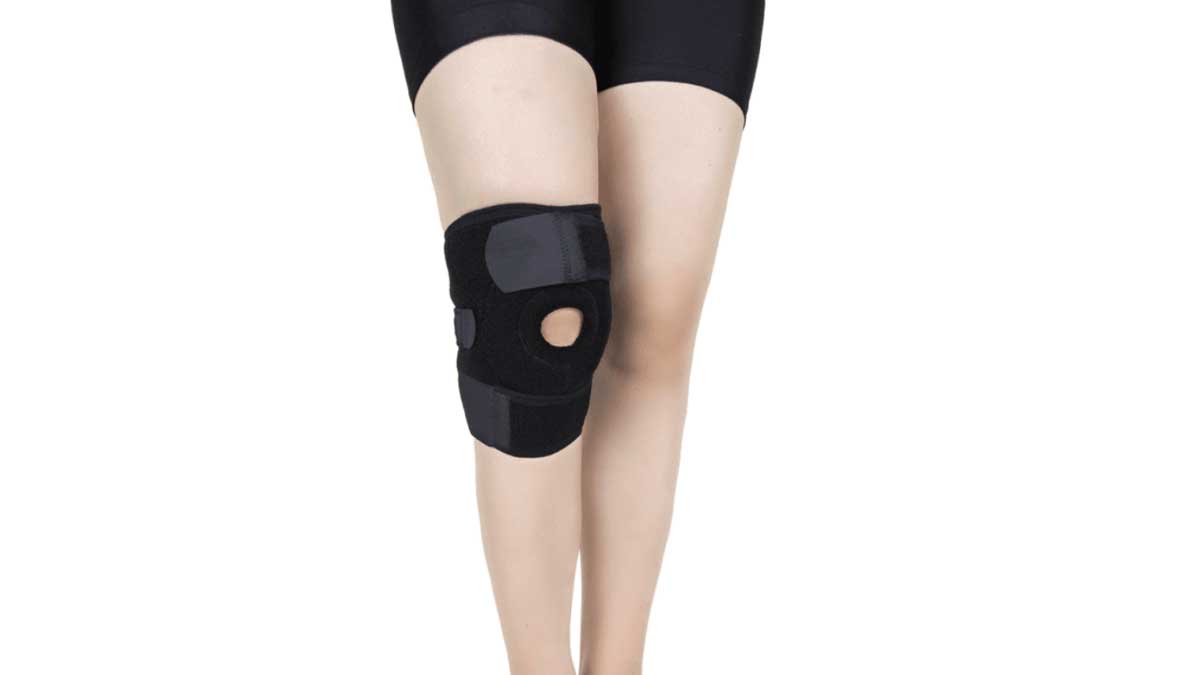
Open-patella braces combine compression with a cut-out section around the kneecap. This design stabilizes the patella while reducing direct pressure on it.
Benefits:
Improved kneecap tracking
Reduced anterior knee pain
Enhanced joint alignment
Many users looking for the Best knee Compression Sleeve may actually benefit more from an open-patella brace if kneecap instability is the main concern. These braces are commonly used for mild patellofemoral pain syndrome.
They are especially helpful for individuals who developed knee pain due to improper training techniques, sometimes linked to Wrong exercise injuries for legs and back. In such cases, proper support combined with corrected biomechanics is essential.
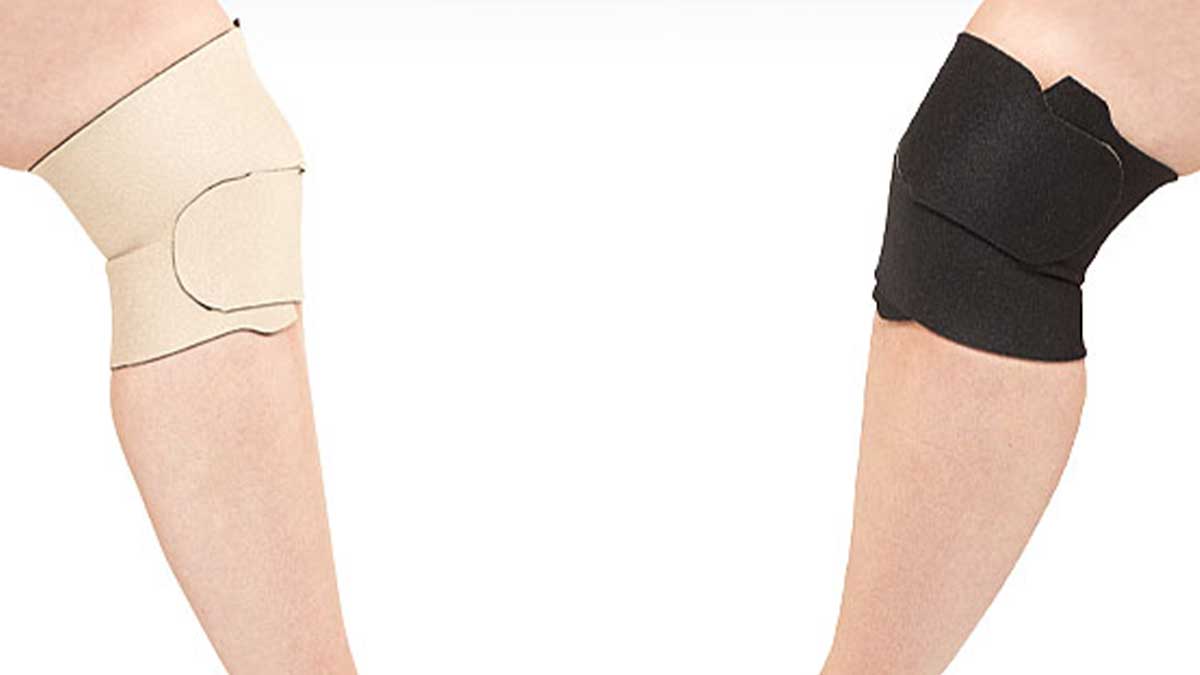
Wraparound Compression Braces
Wraparound braces feature adjustable straps that allow customized compression. They are easy to put on and remove, making them ideal for individuals with limited mobility.
Advantages:
Adjustable pressure
Suitable for swollen knees
Convenient for elderly users
These braces are frequently recommended after minor sprains or during early rehabilitation. Among the Types of Compression Garments for Knees |, wraparound models provide versatility and adaptability, especially when knee size fluctuates due to swelling.
Copper Infused Compression Garments
Copper-infused compression sleeves have gained popularity due to their antimicrobial properties and durability. While scientific evidence regarding copper’s anti-inflammatory effects is still debated, many users report improved comfort and odor resistance.
They are marketed as advanced options within the Types of Compression Garments for Knees |, combining traditional compression with innovative textile technology.
Athletes and fitness enthusiasts who sweat heavily during workouts may benefit from this added feature.
Neoprene Knee Compression Supports
Neoprene supports provide warmth along with compression. The thermal effect increases blood flow, which can reduce stiffness and discomfort.
Recommended for:
- Arthritis
- Chronic joint stiffness
- Cold-weather activities
However, neoprene braces may feel bulky and less breathable compared to modern elastic blends. When searching for the Best knee Compression Sleeve, users often compare lightweight breathable models with thicker neoprene options depending on climate and activity level.
Post-Surgical Compression Garments
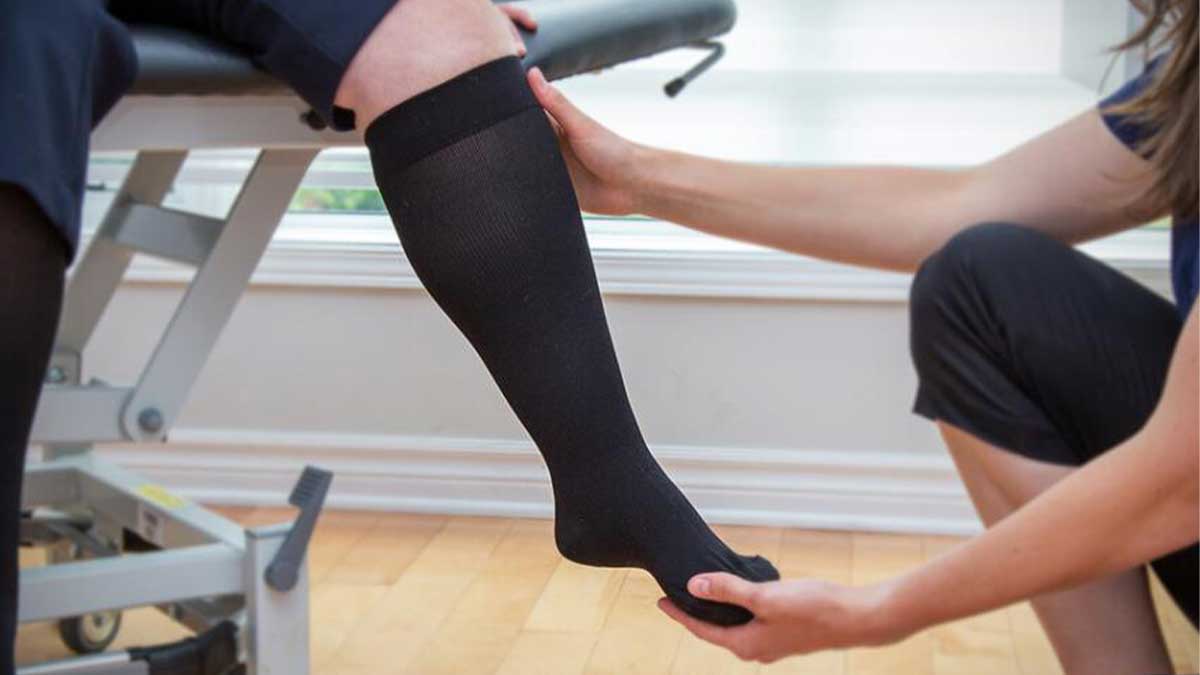
After knee surgery, controlled compression is crucial for managing swelling and preventing complications such as deep vein thrombosis. These garments are designed with medical-grade compression levels and are often prescribed by surgeons.
Unlike athletic sleeves, medical compression garments must meet specific standards. They play an essential role in reducing postoperative inflammation and supporting tissue healing.
Choosing the Best Knee Compression Garment
Selecting from the many Types of Compression Garments for Knees | requires consideration of several factors:
Compression Level
Compression garments range from mild (10,15 mmHg) to firm (20,30 mmHg or higher). Mild compression suits daily wear, while stronger levels may be necessary for recovery.
Material and Breathability
Moisture-wicking fabrics prevent skin irritation during prolonged use.
Activity Level
Athletes may require flexible sleeves, while post-surgical patients need structured support.
Fit and Size
Proper measurement ensures effectiveness. A poorly fitted garment can reduce circulation or slide down during activity.
Consumers frequently research the Best knee Compression Sleeve by comparing user reviews, fabric quality, and compression consistency.
Benefits of Knee Compression Garments
The benefits extend beyond pain relief. Key advantages include:
- Reduced swelling
- Improved circulation
- Faster muscle recovery
- Enhanced joint awareness
- Injury prevention
Compression garments are also widely used in other contexts. For example, athletes familiar with body shaping with compression garments often understand how consistent pressure enhances muscle contour and recovery, though knee-specific designs focus more on joint stability than aesthetics.
Knee Compression and Posture Alignment
Knee stability directly influences posture and spinal alignment. Poor knee mechanics can lead to compensatory back strain. Rehabilitation specialists sometimes integrate posture-focused routines, similar in principle to The best exercises for a hunchback without injury, to ensure that knee recovery does not negatively affect spinal posture.
By stabilizing the knee, compression garments indirectly contribute to overall musculoskeletal balance.
Risks and Precautions
Although compression garments are generally safe, improper use may cause:
- Restricted blood flow
- Skin irritation
- Numbness or tingling
Individuals with circulatory disorders, diabetes, or nerve damage should consult a physician before using compression gear.
Over-reliance on compression without strengthening exercises can also delay recovery. Compression should complement—not replace—physical therapy.
Myths About Knee Compression Garments
Myth 1: Compression cures injuries.
Compression helps manage symptoms but does not repair torn ligaments or cartilage.
Myth 2: Tighter is always better.
Excessive pressure may impair circulation.
Myth 3: All sleeves are the same.
In reality, the Types of Compression Garments for Knees | vary significantly in design, function, and medical indication.
Understanding these differences prevents ineffective purchases and potential harm.
Athletes vs. Everyday Users
Athletes often prioritize flexibility and breathability, while older adults prioritize stability and comfort. For runners and gym enthusiasts, the Best knee Compression Sleeve provides lightweight support during high-impact movement.
For individuals with osteoarthritis, neoprene or wraparound braces may offer better comfort and warmth.
Each user group benefits differently from the wide range of Types of Compression Garments for Knees | available on the market.
Future Trends in Knee Compression Technology
The compression garment industry continues to evolve. Smart textiles with embedded sensors are being developed to monitor joint movement and muscle activation. 3D knitting technology allows seamless designs with variable compression zones.
Ongoing innovation ensures that future Types of Compression Garments for Knees | will become more personalized, data-driven, and performance-oriented.
Conclusion
Selecting the right product requires understanding compression levels, materials, activity demands, and medical conditions. Whether searching for the Best knee Compression Sleeve for athletic performance or structured support for recovery, informed decisions ensure better outcomes.
Ultimately, knee compression garments are valuable tools not miracle cures. When combined with proper exercise, posture correction, and medical guidance, they significantly enhance joint stability, reduce discomfort, and support long-term knee health.
